Design the Workflow Before You Build the Agent
Complete a clinical AI design canvas and turn it into a small, testable specification for an accountable workflow.
· 8 min read
Tag
9 posts
Complete a clinical AI design canvas and turn it into a small, testable specification for an accountable workflow.
Turn a clinical instruction into a bounded workflow with explicit approval, execution states, and recovery from failure.

A clinical AI workflow needs more than a model and a prompt. Build the smallest system that can scope, retrieve, generate, verify, challenge, approve, execute, and audit the work.

Clinical prompting is not a contest for better wording. It is the work of defining sources, context, objectives, prohibitions, and evaluation before a model generates anything.

Preparing physicians for agentic AI requires more than an elective. Medical education must redesign how students reason independently, delegate work, verify machine output, and retain clinical judgment.
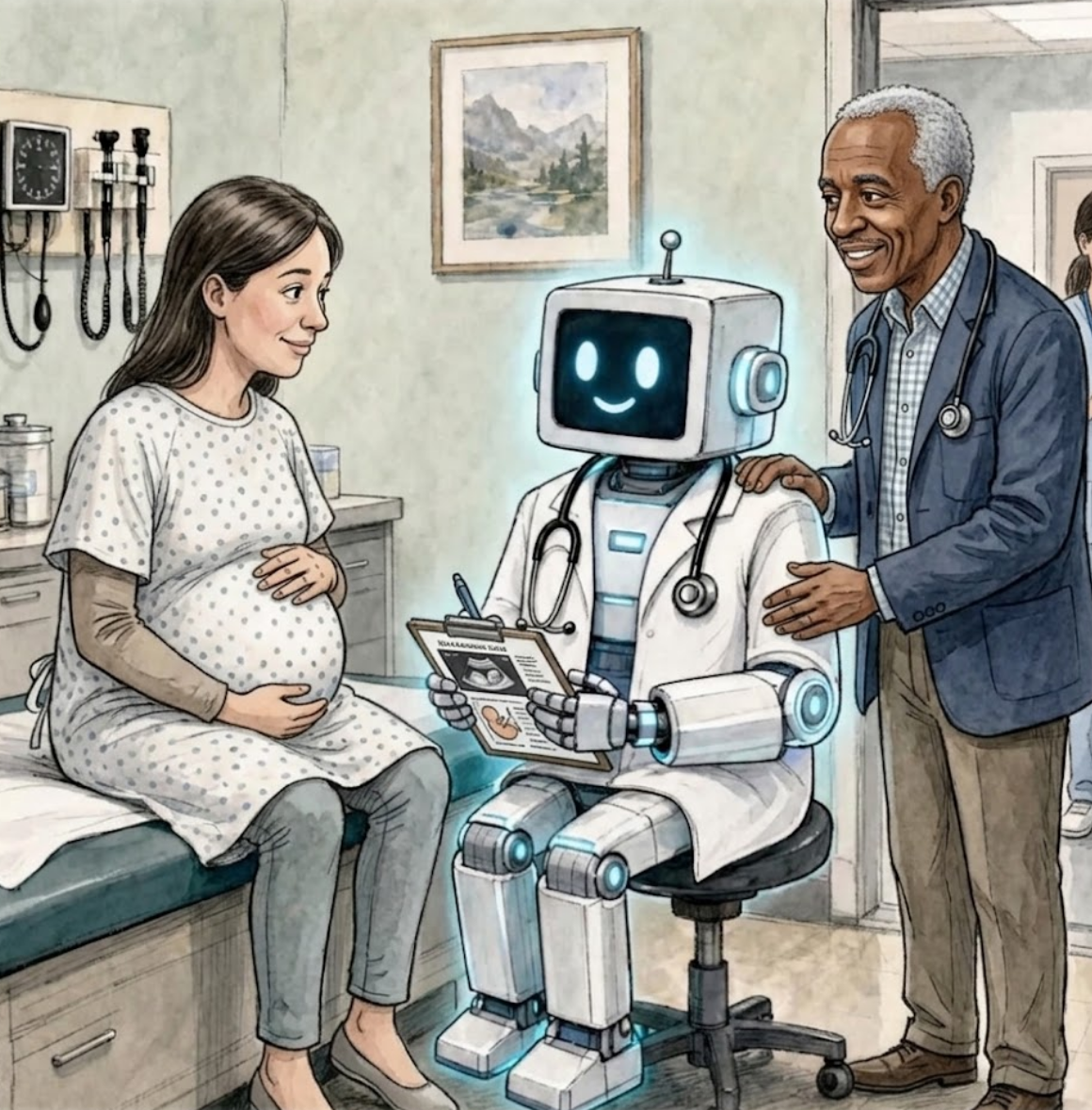
Clinical intelligence is becoming abundant. Physicians must learn to delegate, verify, contextualize, and judge the work of increasingly autonomous clinical AI systems.

Clinical teams do not move slowly because clinicians are slow. They move slowly because pages, meetings, and verbal handoffs force physicians to keep re-explaining decisions that software should carry forward.

The AI race has been about model size for years. The real bottleneck is memory: trustworthy, auditable knowledge that persists across years, not conversations. Medicine will feel this shift first.
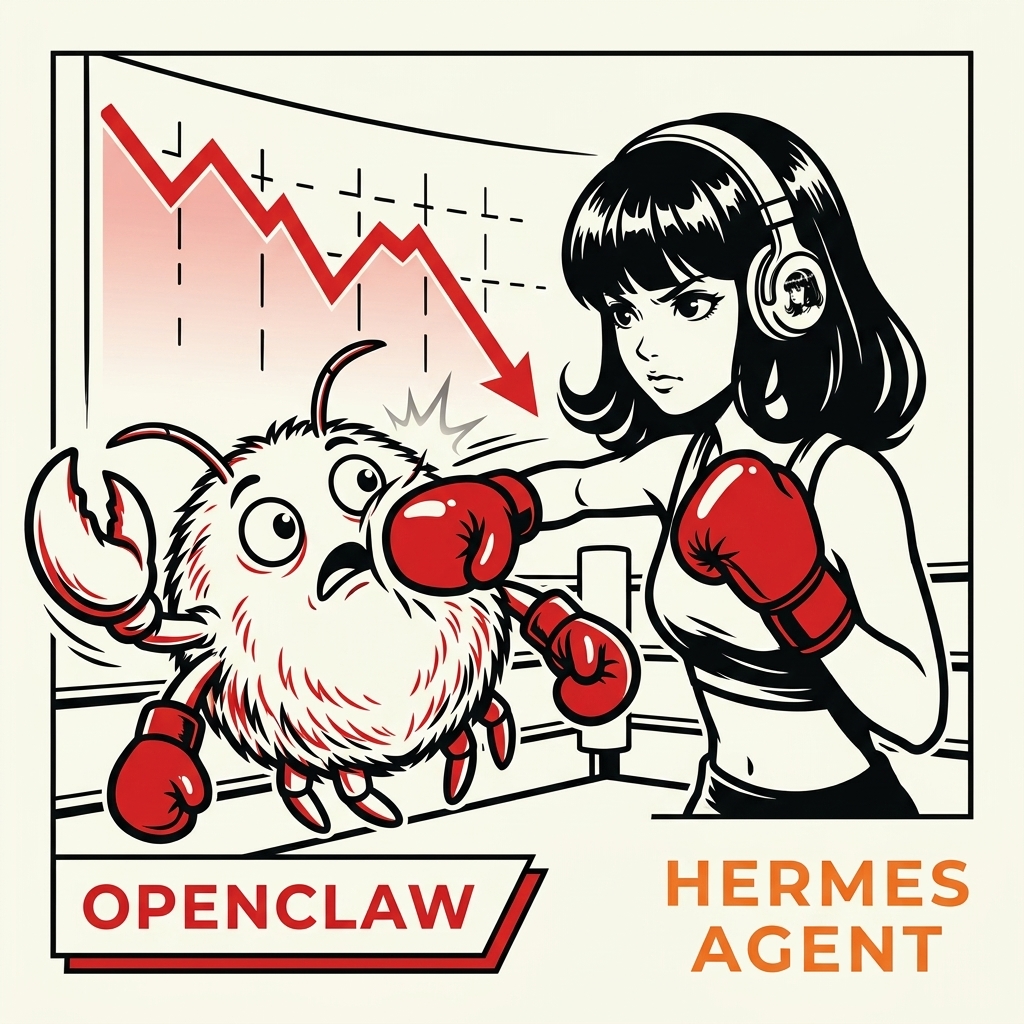
Three weeks into running Hermes Agent in production, I can say this: the real value is not the model. It is the workflow ecosystem wrapped around it. Here is what 94 specialized skills looks like in a real physician-developer stack.