Doctors Who Code: From GitHub to Medical AI
A practical path for physicians who want to move from GitHub basics to building real medical AI projects.
Listen to this post
Doctors Who Code: From GitHub to Medical AI
On this page 1 sections
Most physicians do not need another speech about why technology matters in medicine.
We already live inside broken systems. We already feel the friction. The real question is whether physicians will keep adapting to tools designed by other people, or whether more of us will learn to build.
This series is a practical path into that work.
It starts with GitHub, not because version control is glamorous, but because unfinished work needs a real home. It then moves into project scoping, structured clinical data, and the realities of finding and building medical AI tools that are actually worth your time.
This is not a series about becoming a full-time software engineer. It is a series about technical ownership. About learning enough to turn a recurring clinical frustration into a tool, a workflow, or a first real project.
If you are a physician who has been circling this world without entering it, start here.
Series Roadmap
- Stop Lurking: Why Physicians Should Start GitHub Before They Feel Ready
- GitHub for Physicians: Why Version Control Changes How You Build
- Your First Week on GitHub as a Physician: A Practical Starter Plan
- Three GitHub Projects Physicians Can Actually Finish
- JSON for Physicians: The Structured Data Your Clinical AI Actually Needs
- Navigating Medical AI on GitHub: What Is Worth Your Time
- Your First Medical AI Project on GitHub: How to Choose One You Will Actually Finish
Related articles
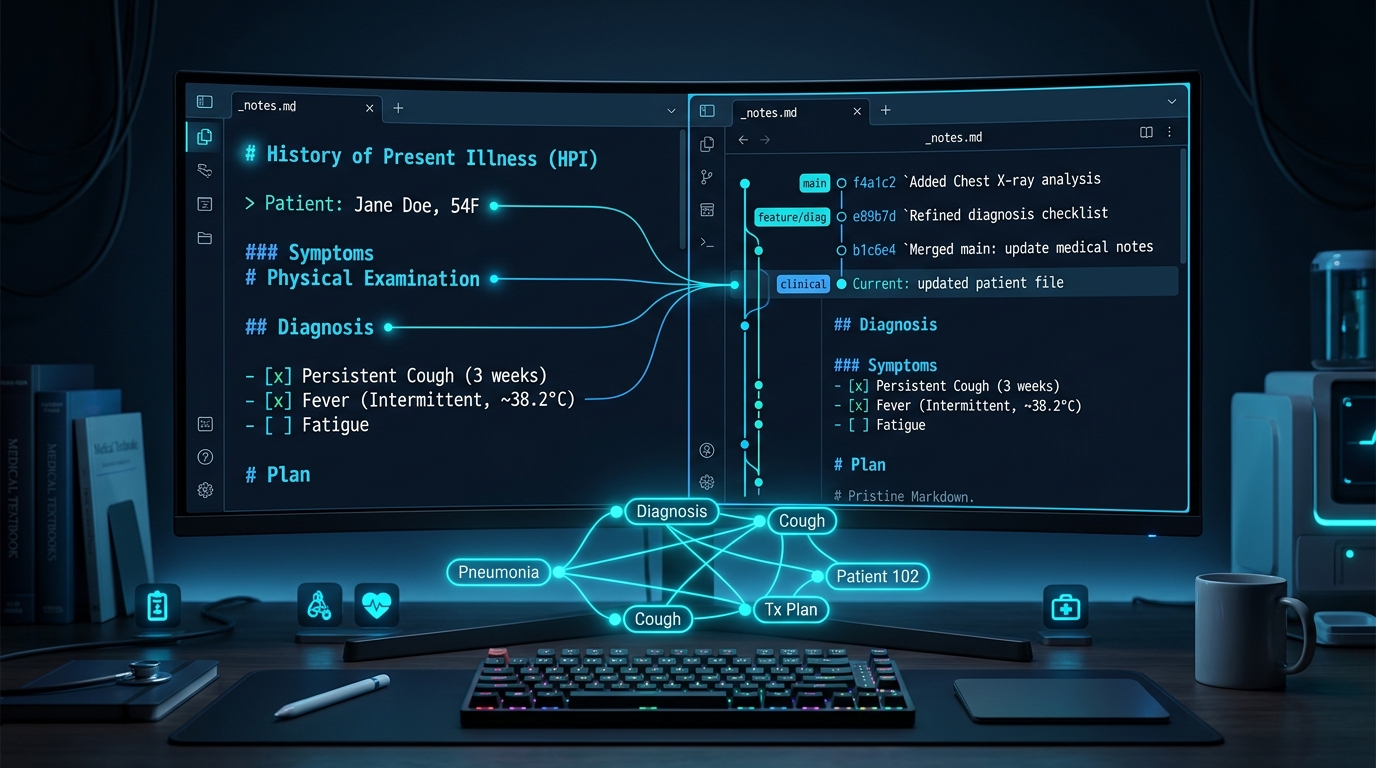
Why Every Physician-Developer Should Learn Markdown
Markdown is not just a writing format. For physician-developers, it is the connective tissue between clinical thinking, documentation, GitHub, AI workflows, and build-in-public learning.
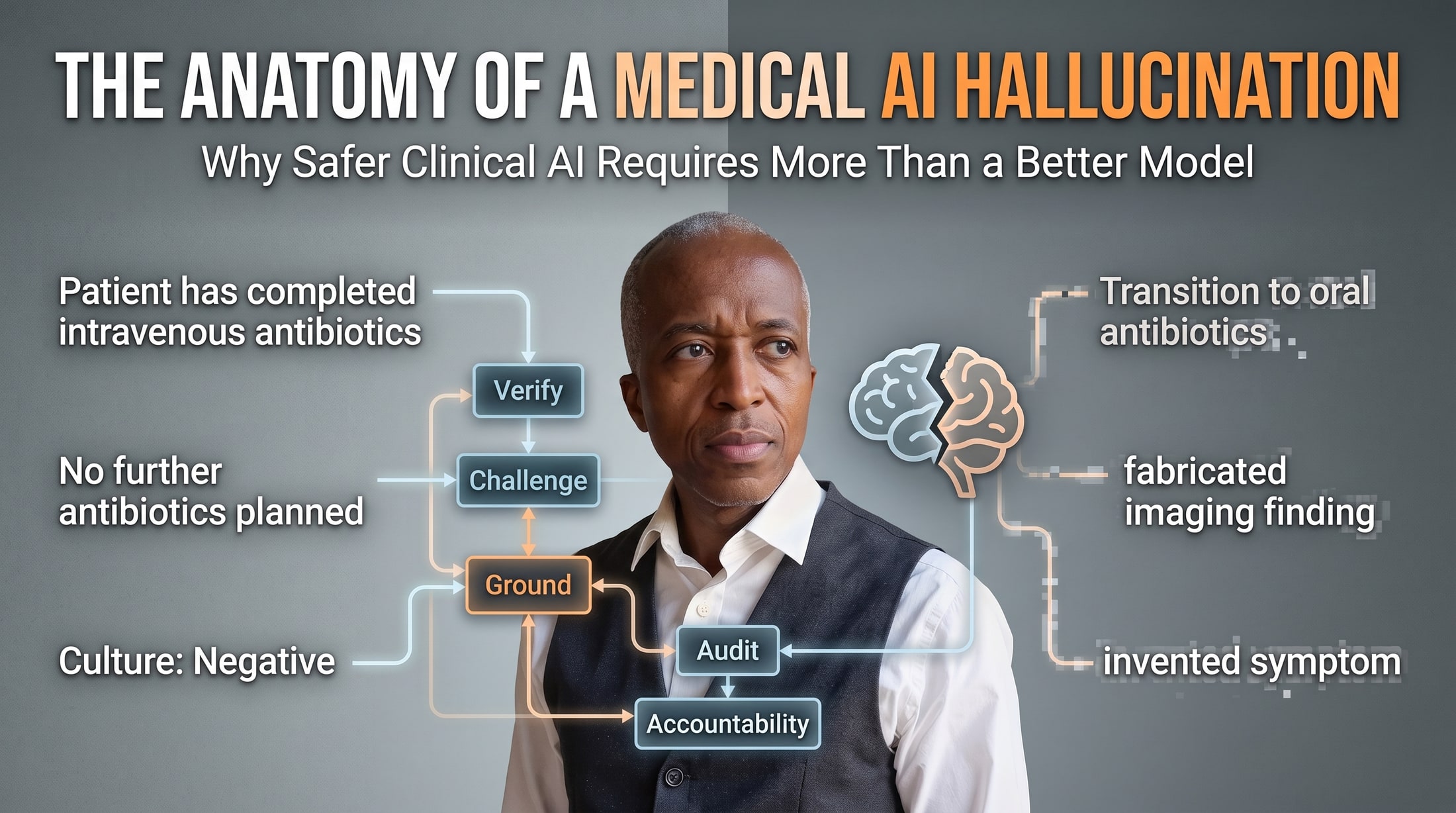
The Anatomy of a Medical AI Hallucination
Medical AI hallucinations become dangerous when plausible invention enters a clinical workflow. A physician-developer's guide to grounding, verification, harnesses, and human accountability.

GitHub Gists: The Most Underrated Tool Every Physician-Developer Should Be Using
GitHub Gists look like scratch space for code snippets. Used correctly, they become a version-controlled clinical reference library that decks, apps, and blog posts can all cite from a single source.

Maternal-Fetal Medicine Specialist