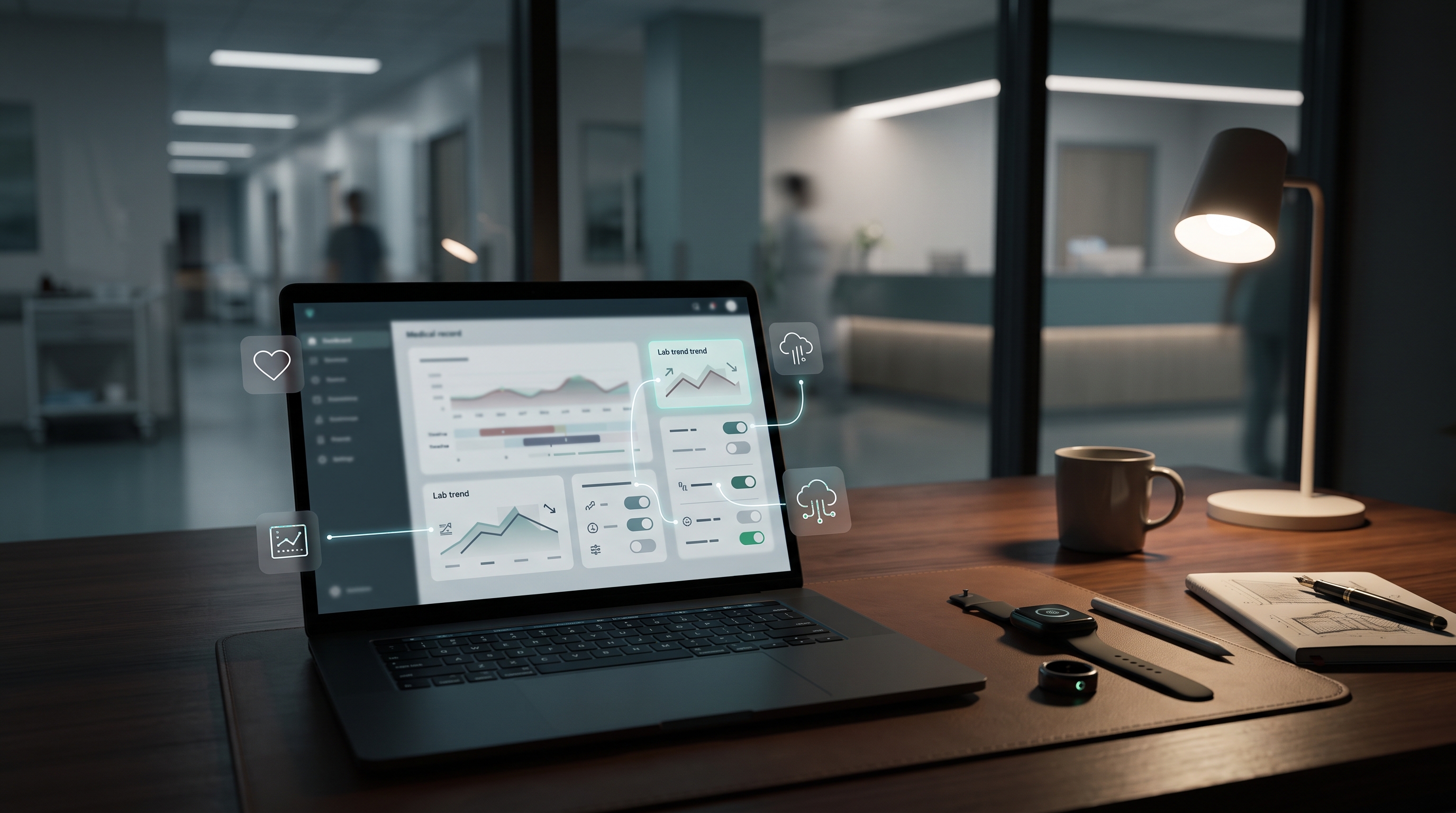
Patient Data Liberation Is Not Patient Data Protection
Wearables connected to medical records are not just a patient-access story. They are a boundary-design problem for doctors who code.
· 9 min read
Wearables connected to medical records are not just a patient-access story. They are a boundary-design problem for doctors who code.

A clinic workstation with local GPU inference changes the privacy, latency, and ownership posture of clinical AI workflows.
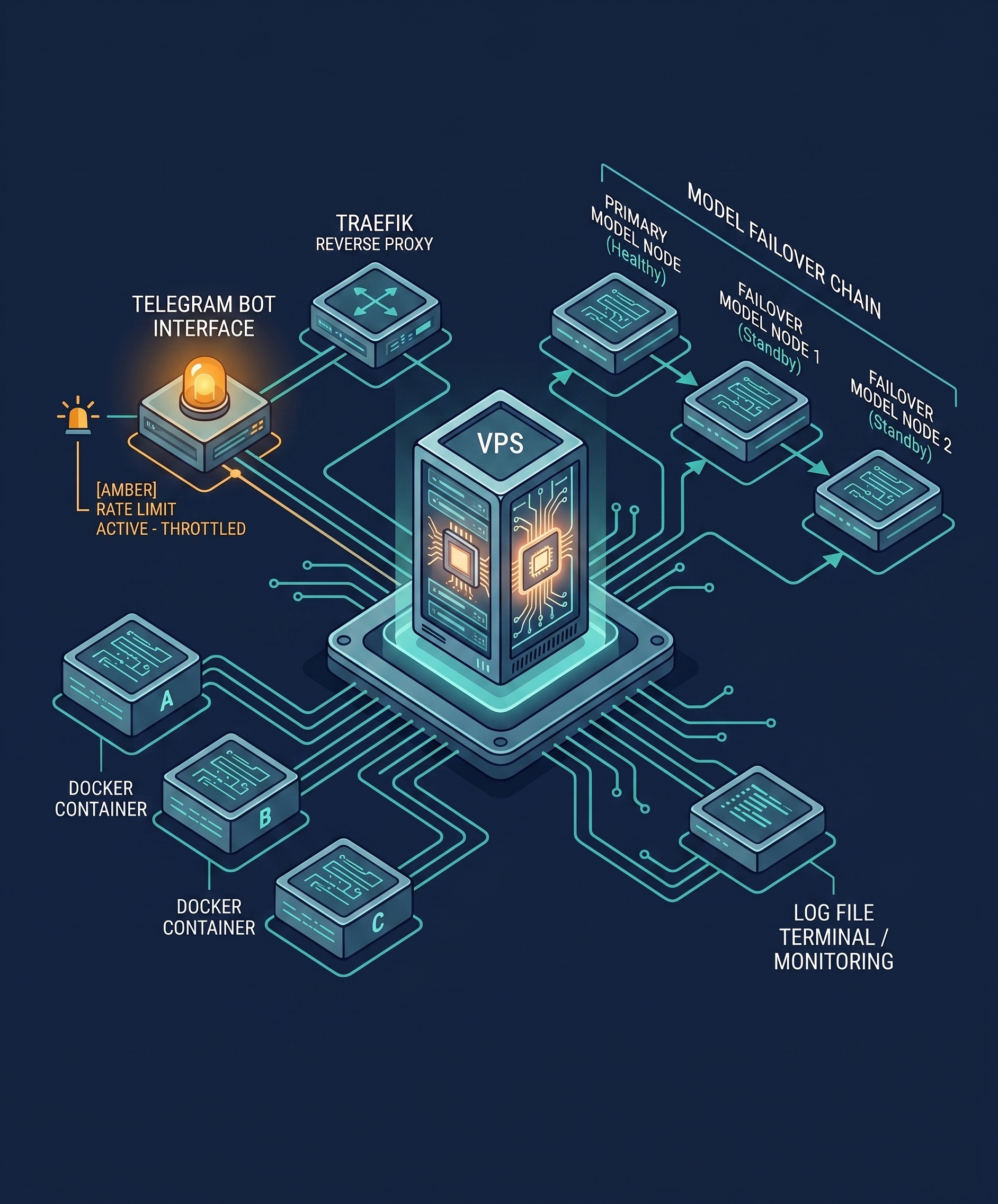
The model is not the product. The workflow is the product. Here is a technical look at the production stack behind a physician-built AI operations partner: Docker, Traefik, model failover, rate limits, logs, HIPAA boundaries, and the failure modes I watch for every week.
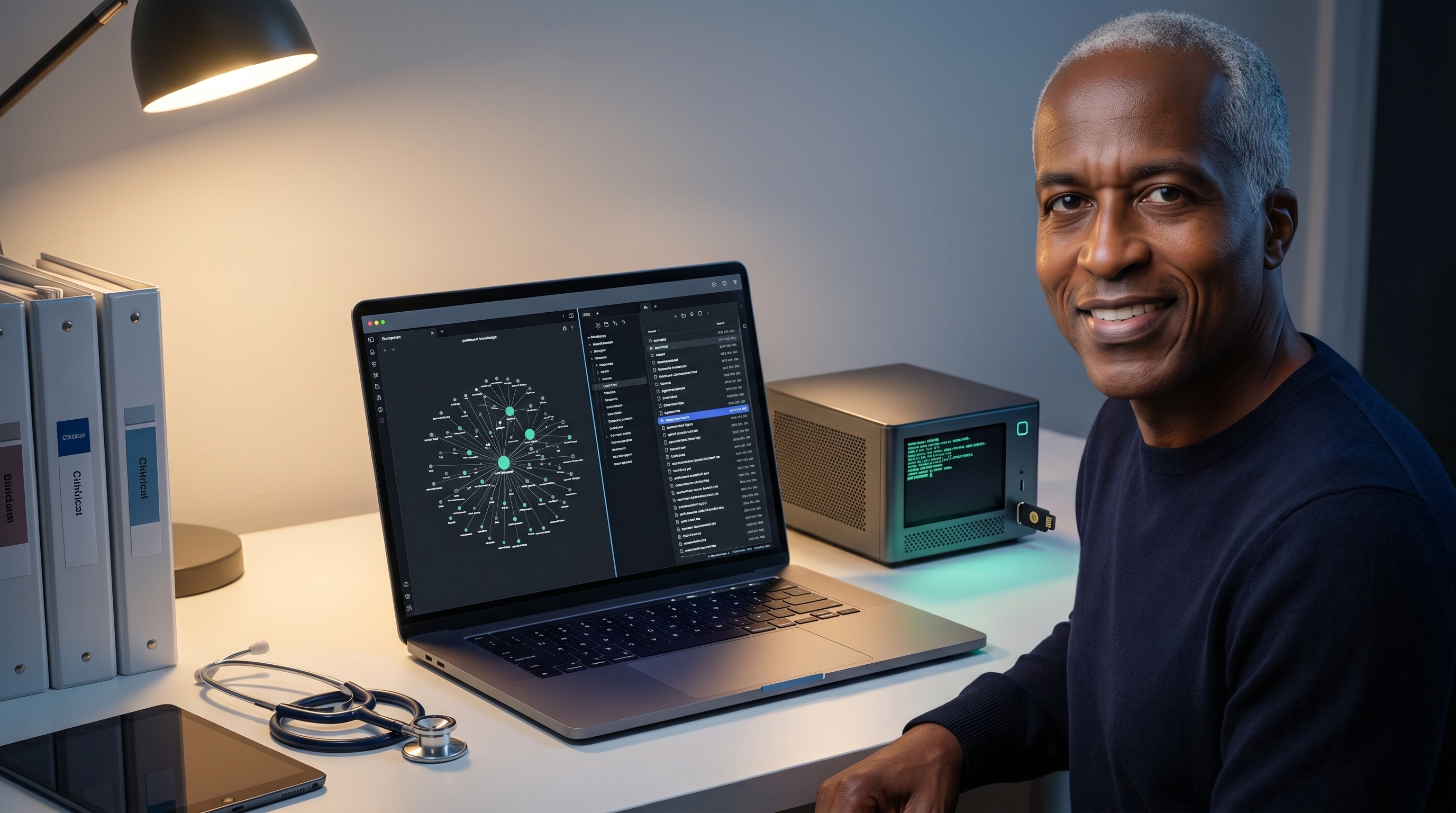
How to build a clinical knowledge vault without sending patient data to anyone's server. The two-vaults architecture, ingestion workflows, and the HIPAA-first policy.

Consumer AI tools like ChatGPT and Claude are useful. But a physician-developer who deploys a locally fine-tuned model on controlled infrastructure has something more powerful: a clinical tool that learns your practice, respects your data, and costs less at scale.