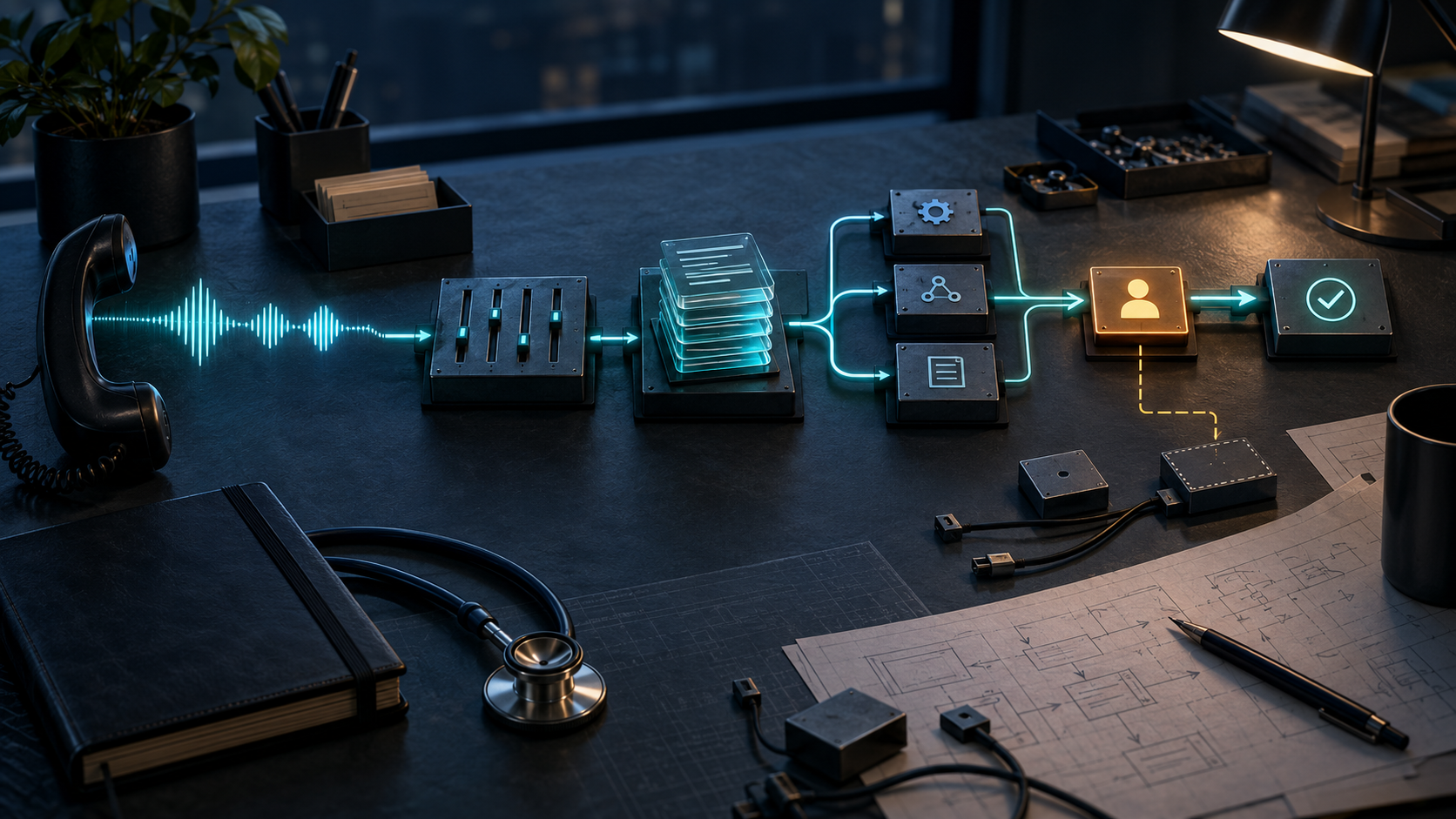
I Built an AI Agent. Now I Am Building the Laboratory Around It.
The Doctors Who Code phone bot led to AgenticBuilderMD: a public laboratory for learning agents, tools, memory, and human checkpoints through practical builds.
· 9 min read
Tag
11 posts
The Doctors Who Code phone bot led to AgenticBuilderMD: a public laboratory for learning agents, tools, memory, and human checkpoints through practical builds.
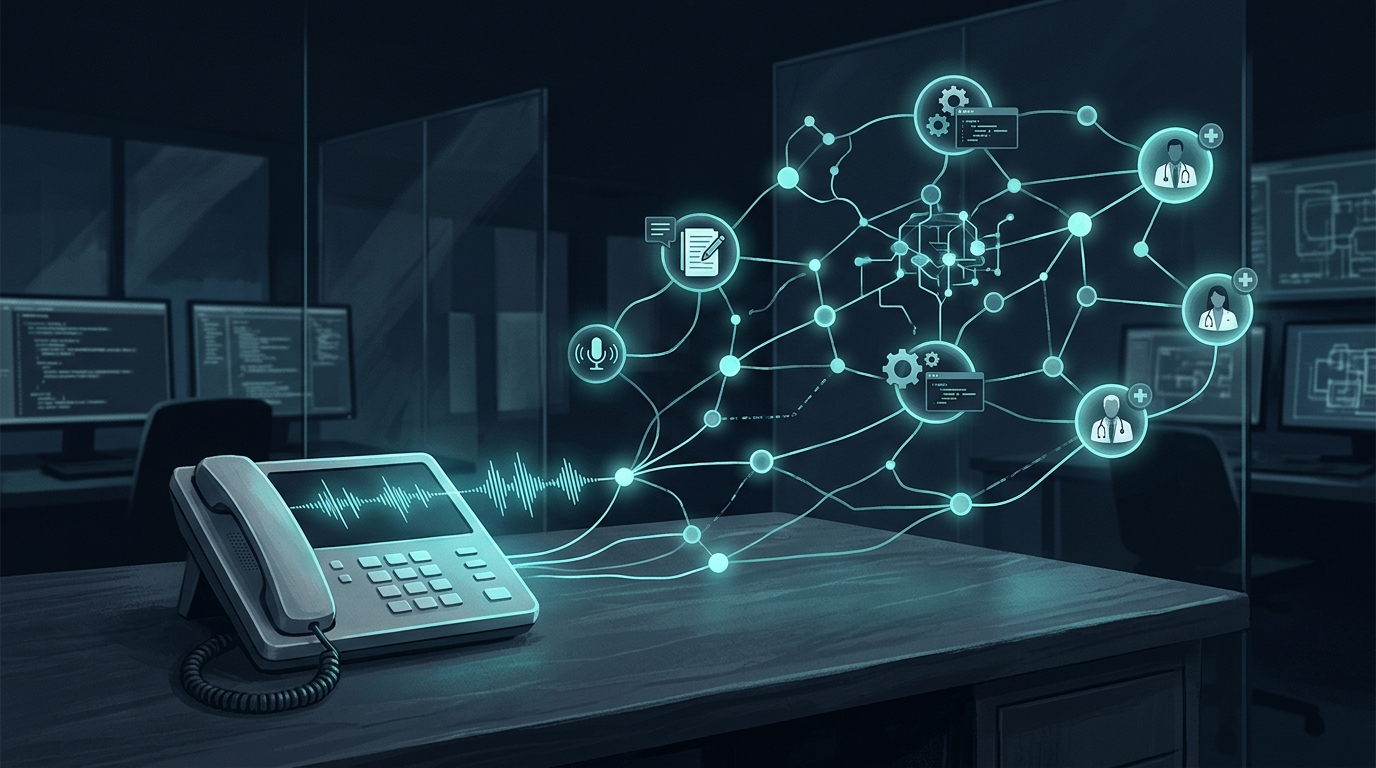
DWC-Bot began as a voice assistant for Doctors Who Code. It is becoming an experiment in voice-first interfaces, second-brain capture, and physician-built agentic computing.
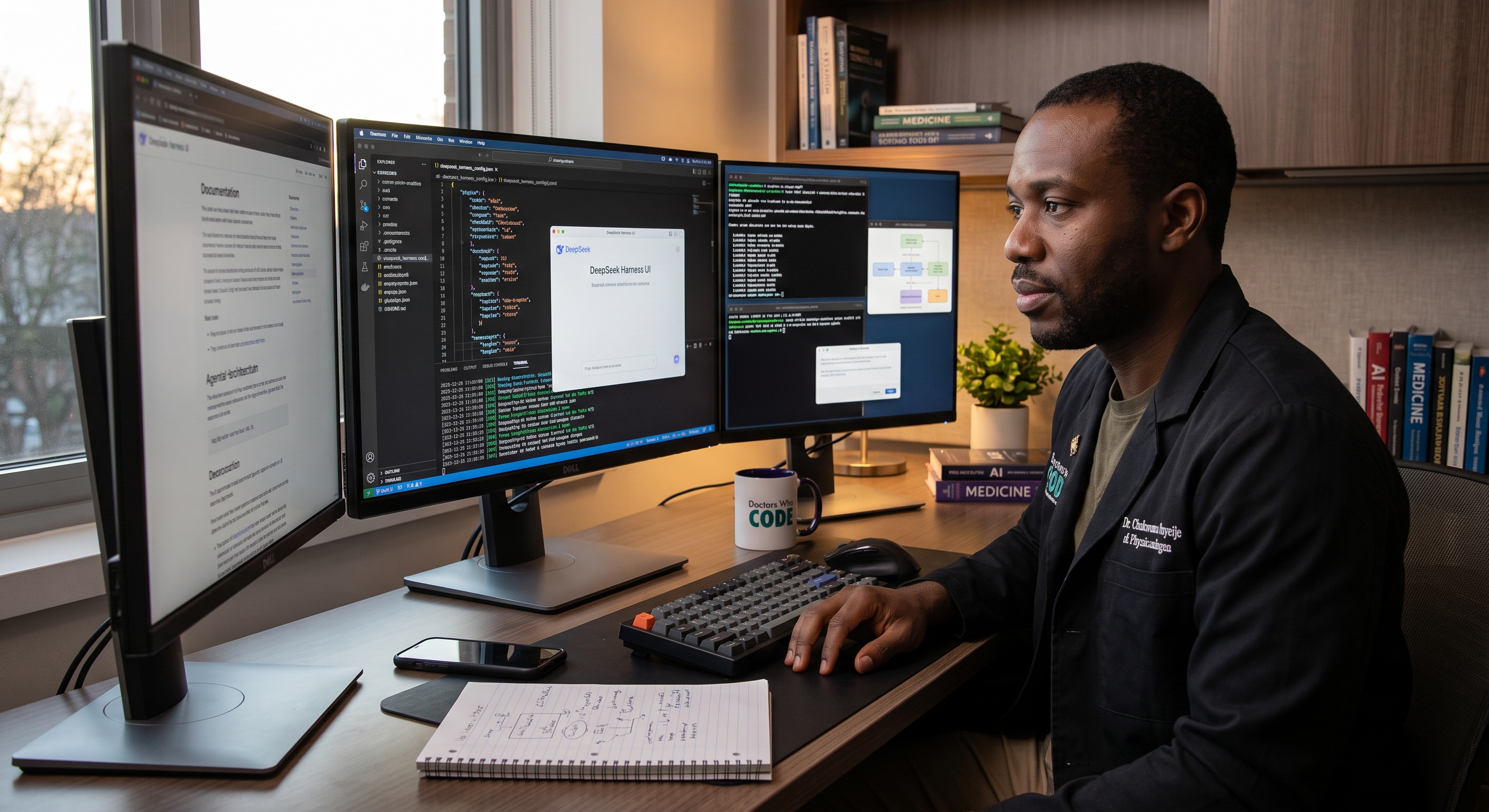
DeepSeek Harness shows why physicians must understand the context, tools, permissions, logs, and human checkpoints that turn an AI model into a working system.

The AI race has been about model size for years. The real bottleneck is memory: trustworthy, auditable knowledge that persists across years, not conversations. Medicine will feel this shift first.
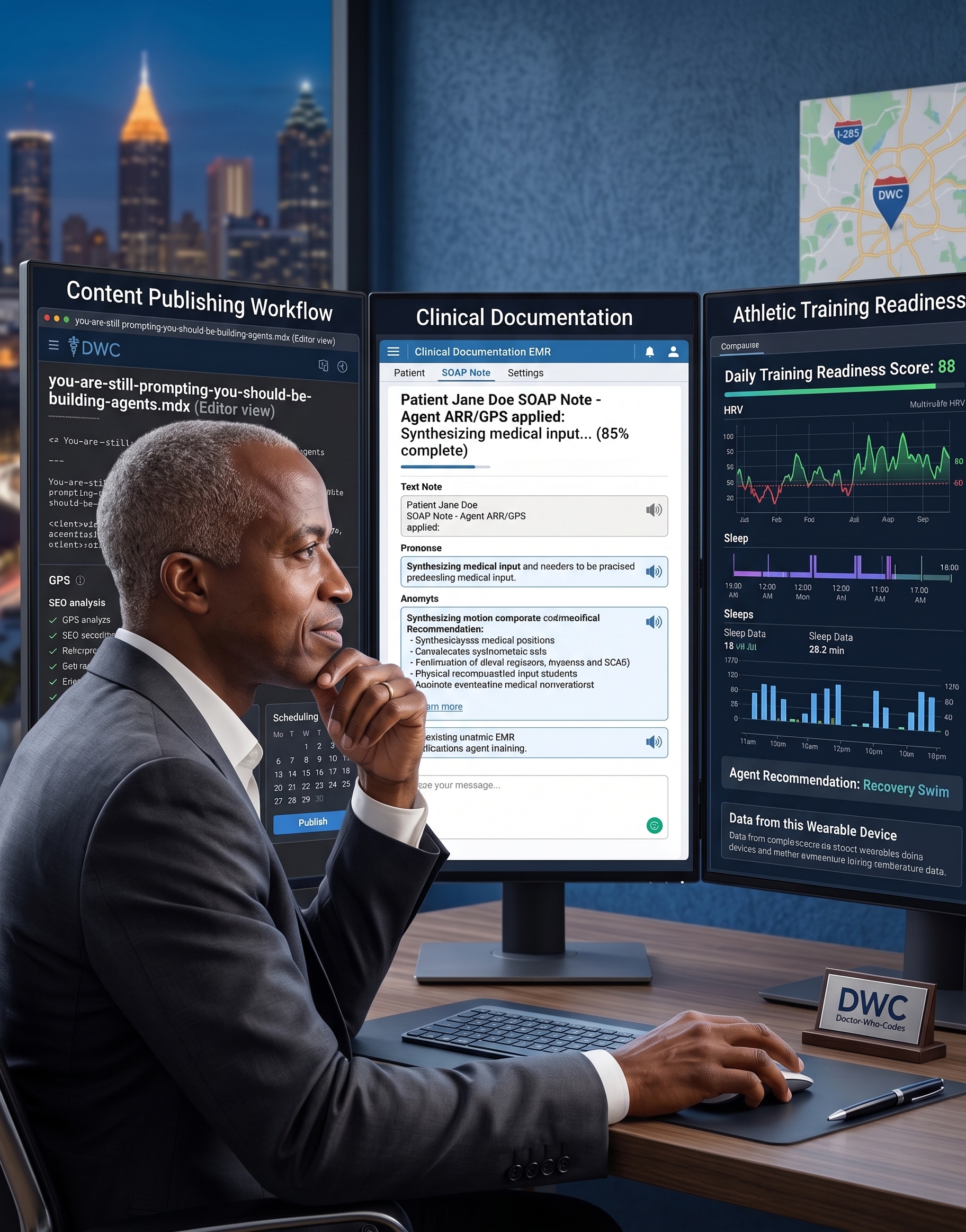
Prompting has a ceiling. Once you hit it, you are coordinating every step manually while the AI handles individual tasks. Here is the framework and three live workflows I use to cross that line.
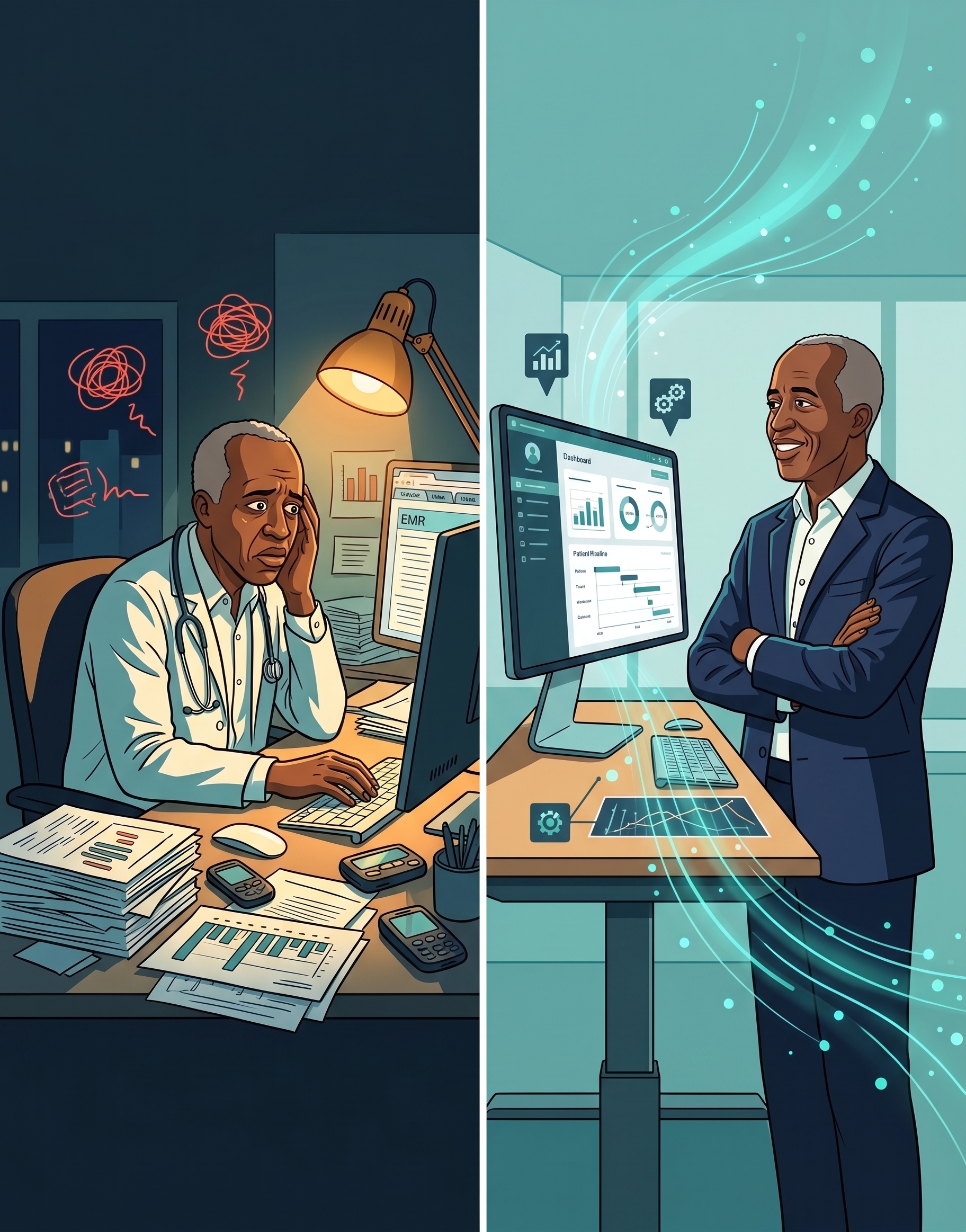
For physician-developers, burnout often comes from low-value technical friction. The answer is not more endurance. It is better delegation to systems, automation, and agents.
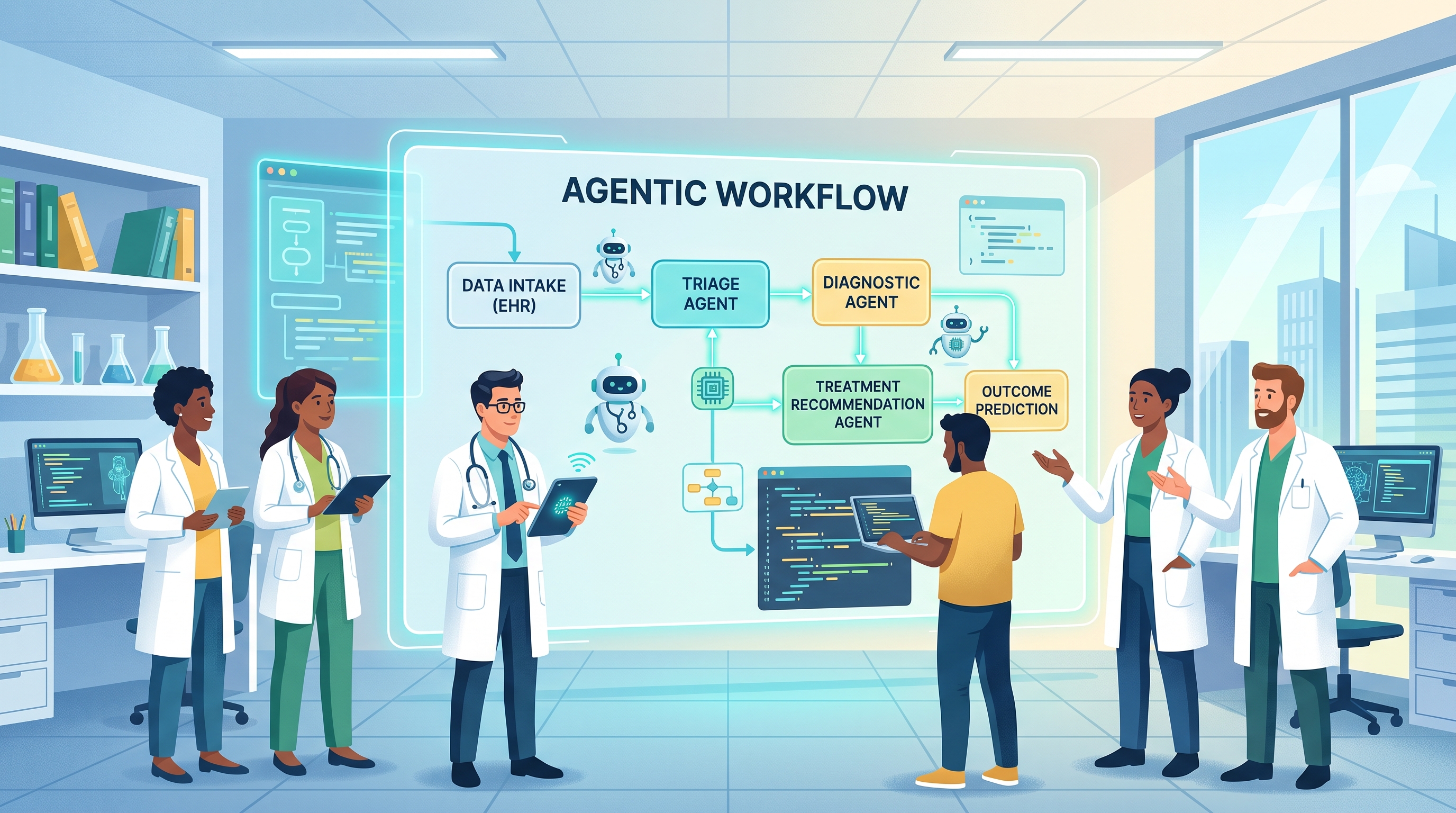
A physician-developer's practical guide to giving an AI agent one bounded software assignment and requiring a plan, tests, review evidence, and a stopping condition.

Claude Code, Codex, Antigravity, OpenClaw, Hermes, and Omarchy illustrate a durable lesson for physicians: choose the agent's workplace before delegating the work.
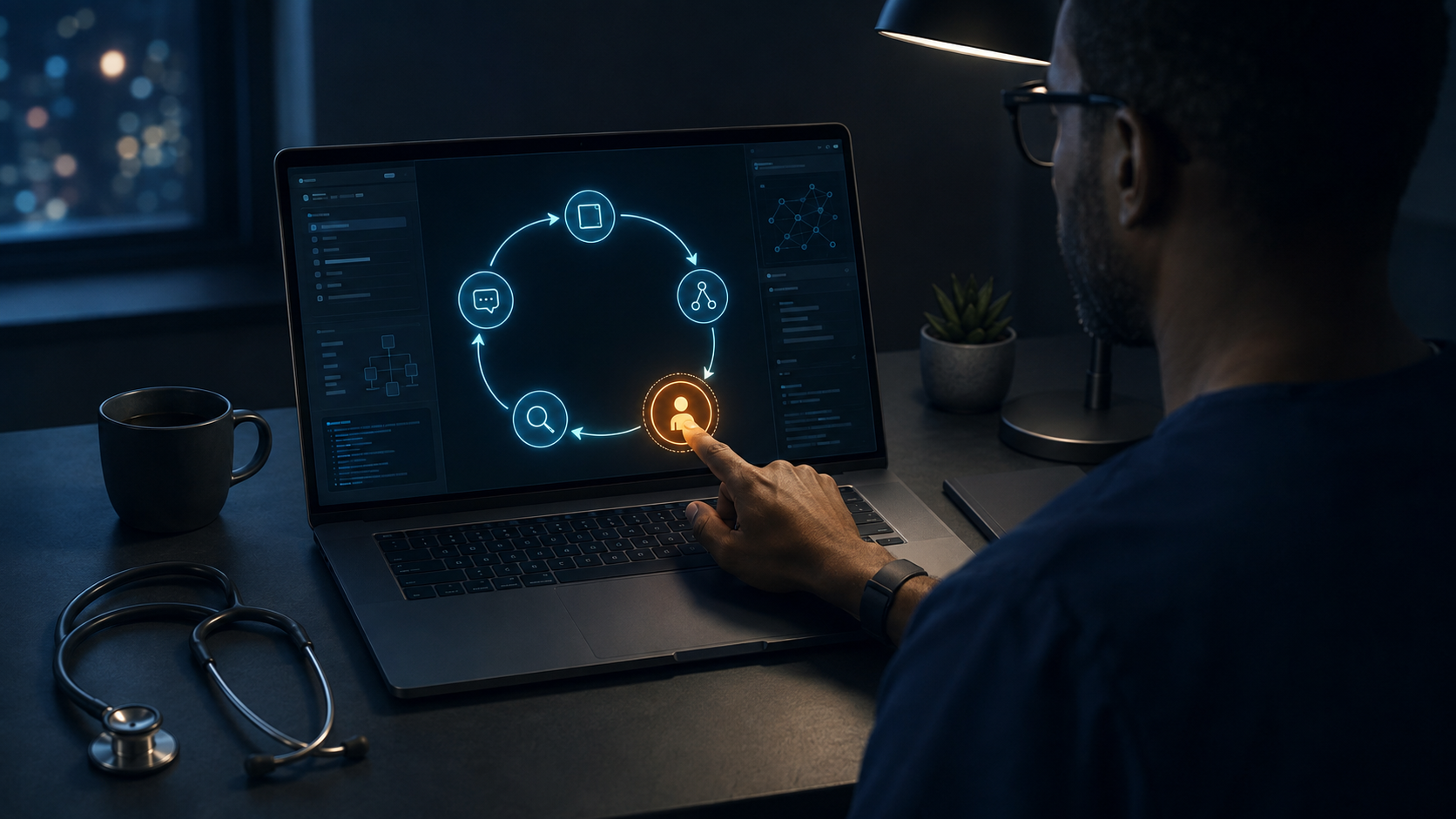
AI agents do more than answer questions. This physician-developer guide explains the agent loop, levels of autonomy, and the checkpoints that keep humans accountable.

For physician-builders, agentic engineering is not prompt magic. It is bounded context, vertical slices, observability, and accountability.
Maternal-Fetal Medicine Specialist | Founder, CodeCraftMD | Atlanta Perinatal Associates