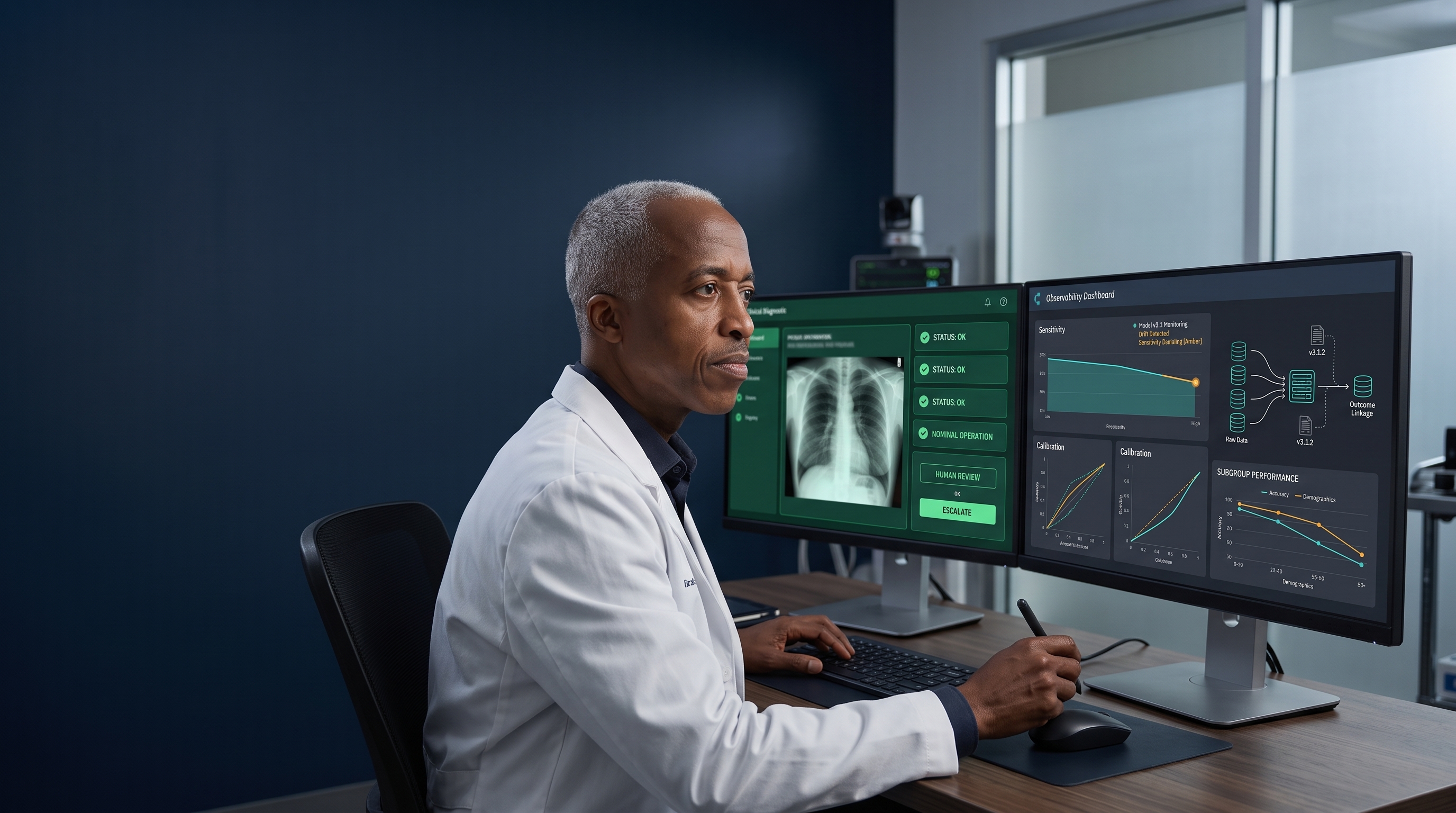
FDA Clearance Is Not a Monitoring Plan
Clinical AI can fail without crashing. Physician-developers must build the monitoring, outcome linkage, and human checkpoints that keep cleared software safe after deployment.
AI makes clinical software cheap to produce. It does not make it safe. Physician-developers must build systems in which speed remains subordinate to evidence, judgment, and the doctor-patient relationship.
The AI race has been about model size for years. The real bottleneck is memory: trustworthy, auditable knowledge that persists across years, not conversations. Medicine will feel this shift first.
Wearables connected to medical records are not just a patient-access story. They are a boundary-design problem for doctors who code.
A clinic workstation with local GPU inference changes the privacy, latency, and ownership posture of clinical AI workflows.
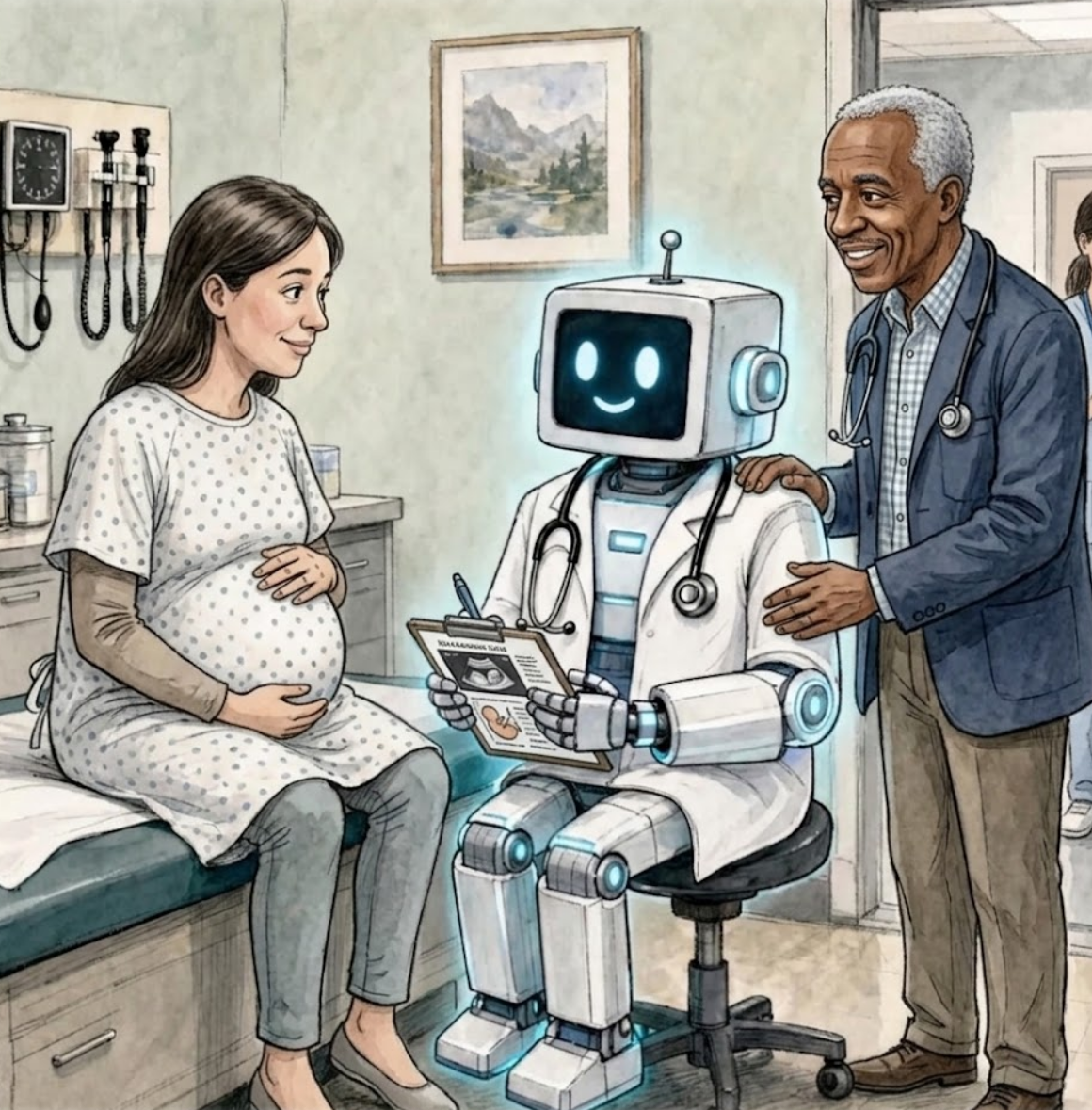
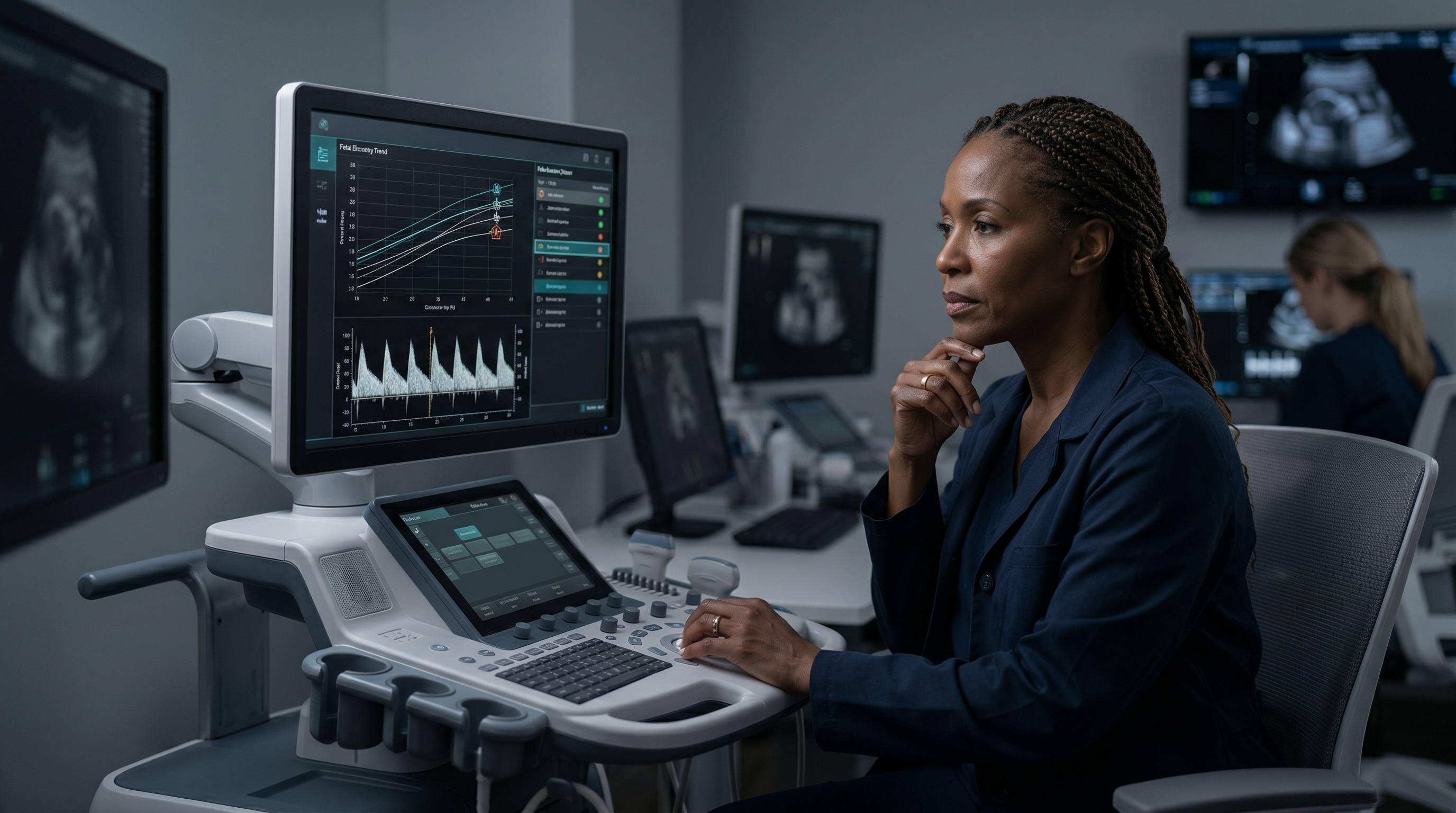
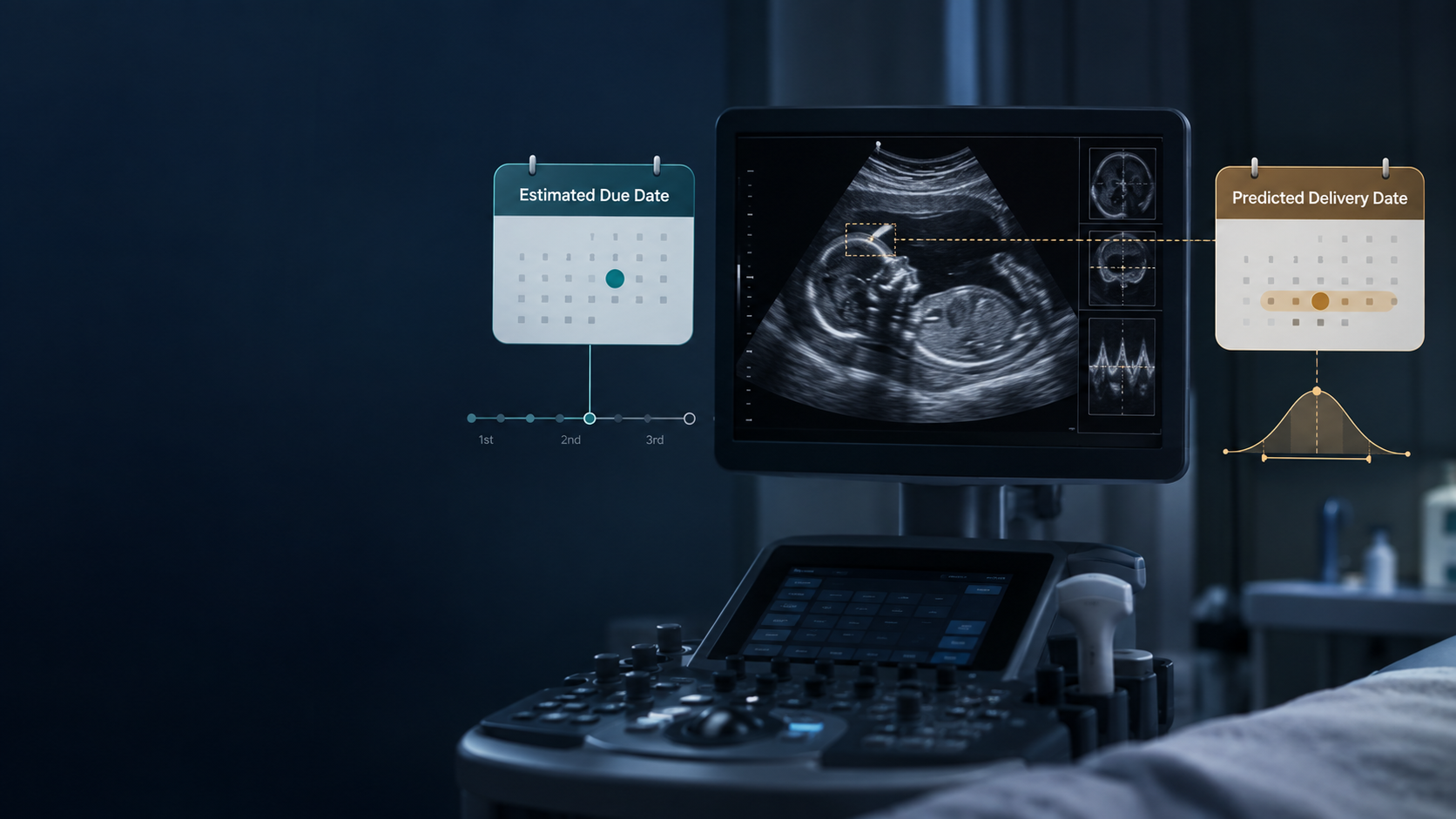
Fetal growth restriction is not just an ultrasound diagnosis. It is a longitudinal data problem. Clinical AI will not replace MFM judgment, but it can help surface the pregnancies whose risk is already visible in the record.
A short introduction to a DoctorsWhoCode series on spreadsheets, tests, and retrieval as the basic discipline of physician-built clinical software.
Clinical AI earns workflow trust only when its answers are grounded in current, local, auditable knowledge. Retrieval is not a feature. It is infrastructure.
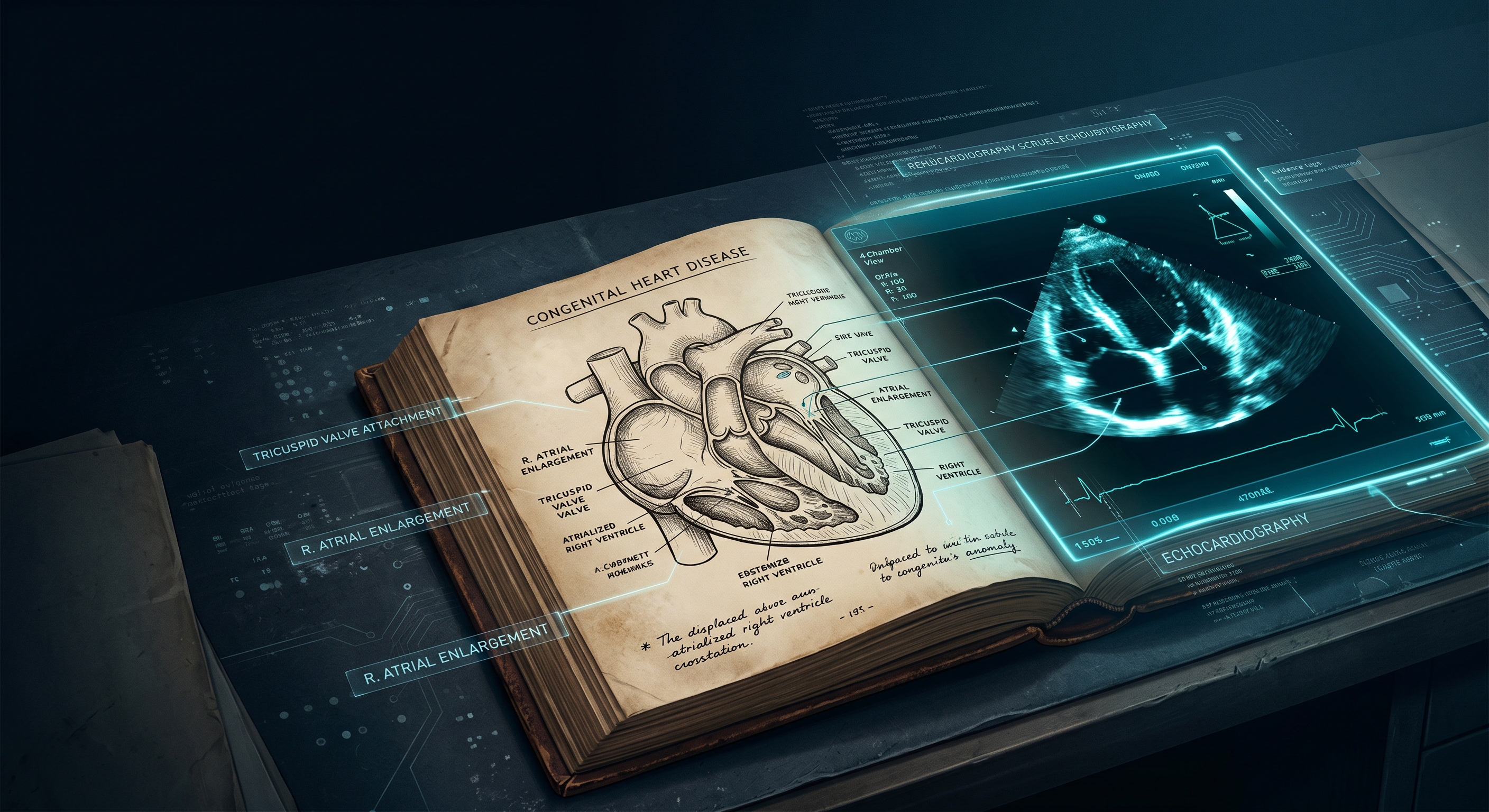
A half-century-old textbook on congenital heart disease. A chapter on Ebstein's anomaly. A comparison that changed how I think about evidence, AI, and what we owe the next generation of physicians.
Language models can make uncertain medical information sound finished. The problem is not fluency. The problem is mistaking fluency for accountable clinical reasoning.
Medical journals are no longer only read by clinicians. They are becoming upstream inputs to AI systems. That makes provenance, evidence hierarchy, and distribution part of clinical infrastructure.

Medicine is moving from retrieval to synthesis. That changes the physician's work from finding information to judging synthesized information under clinical pressure.
For physician-builders, agentic engineering is not prompt magic. It is bounded context, vertical slices, observability, and accountability.
Move 37 was not a parlor trick. It was a warning. Physician-developers need to be ready for the moment AI starts finding medically important patterns our inherited maps never taught us to see.
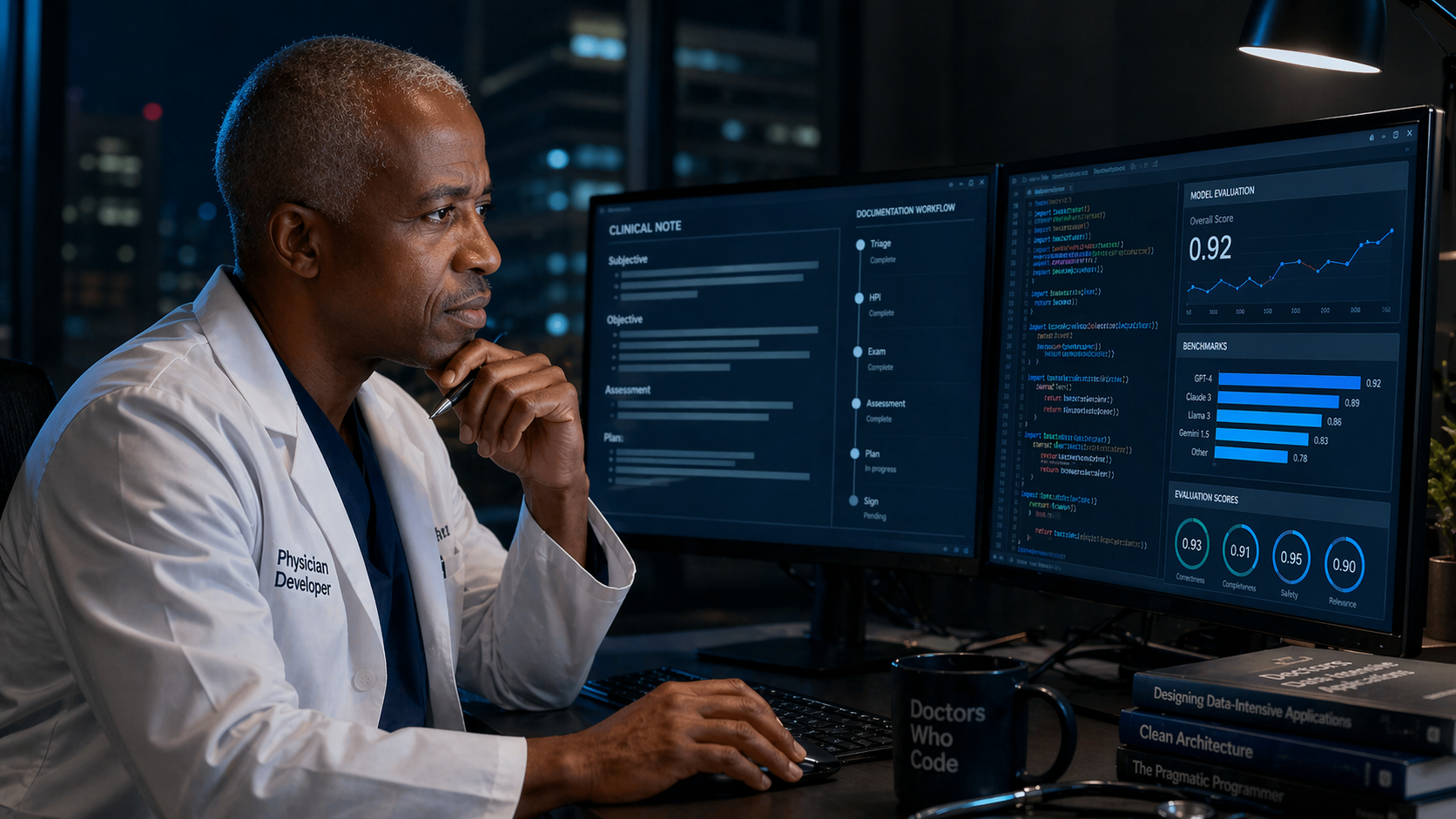
HealthBench Professional shows AI has already crossed the threshold in clinical writing and documentation. The real lesson is not replacement. It is that physician-developers need to build the harness.
Joe Riley trusted AI over his oncologist and died of a treatable cancer. His tragedy wasn't naivety — it was earned distrust, amplified by a machine that had no way to know the difference.
Your clinical RAG system is not hallucinating because the model is bad. It is hallucinating because your document pipeline is broken. Here is what clinical PDF parsing actually requires, and why Docling is the fix.
Consumer AI tools like ChatGPT and Claude are useful. But a physician-developer who deploys a locally fine-tuned model on controlled infrastructure has something more powerful: a clinical tool that learns your practice, respects your data, and costs less at scale.
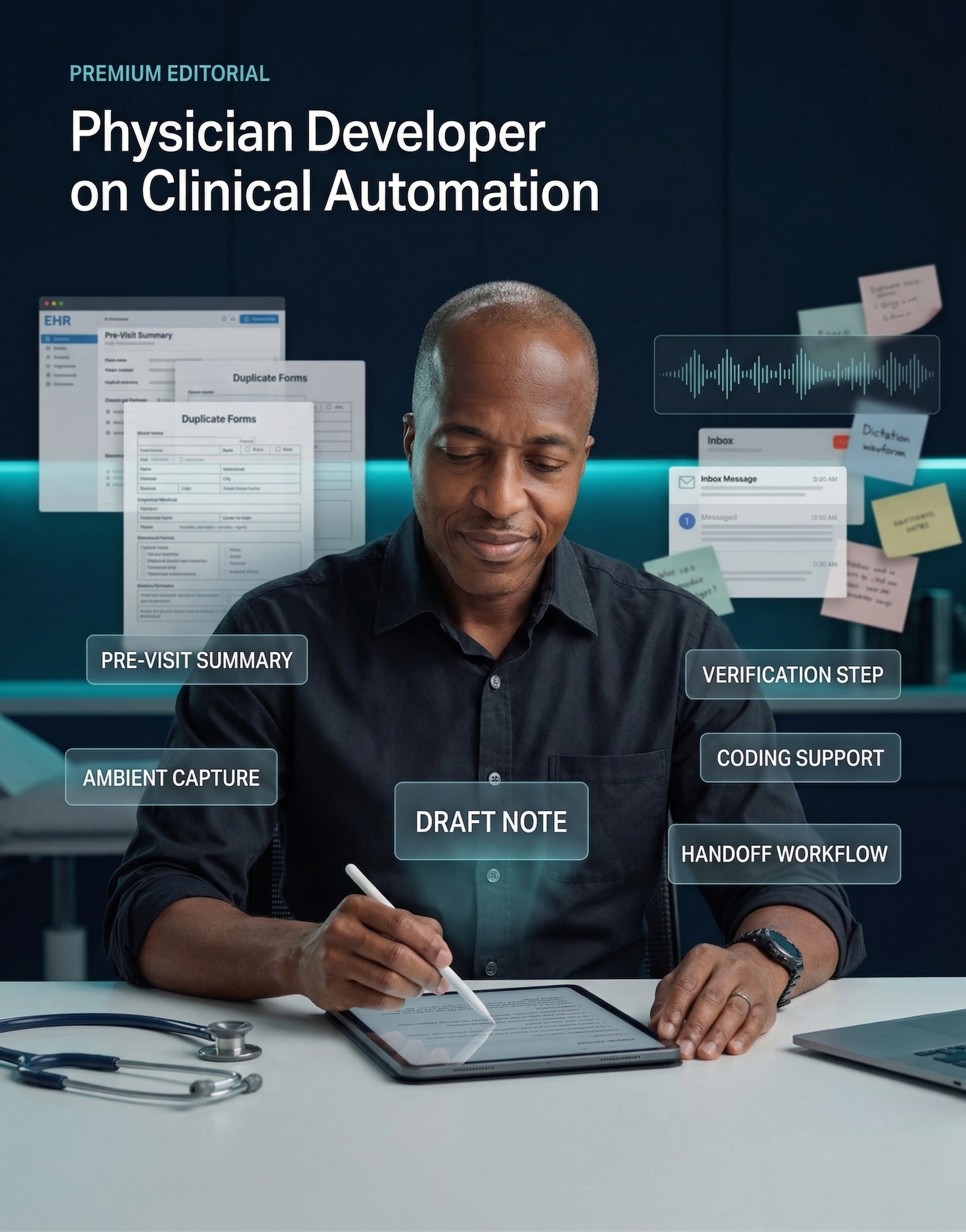
Documentation automation is not a typing solution. It is a workflow design problem. For physicians and physician-developers, the real goal is protecting clinical judgment from administrative drag.
A TEDx pitch says physicians should build AI. I agree. But the work that matters is governance, validation, and delivery, not one-afternoon demos.
Nobody lost your fax. The system was designed to lose it. Referral failures are not clerical accidents. They are the predictable result of clinical infrastructure built for a different era.
Race-based clinical algorithms in kidney care and obstetrics did not just reflect bias. They operationalized it. Physicians now have a responsibility to challenge the software, logic, and architecture that turn racial fiction into patient harm.
They are not asking it for fun. They are asking it because the triage line puts them on hold for 45 minutes. The threat is not the technology. The threat is the system that made the technology necessary.
Physician passivity in health tech is not an accident. It is a business model. Understanding the structural incentives is the first step to building outside of them.
When families face periviability, they search before they call. What they find shapes everything. Here is why physician-developers have a responsibility to build better.
Every physician using an AI tool has heard the liability question. Most of us answer it wrong. The real answer is not about insurance. It is about who was in the room when the tool was designed.
The AMA opened the door. Physicians must decide what to do with it. The survey data is not a comfort. It's a challenge. Here's what physician-developers do next.
Maternal-Fetal Medicine Specialist & Founder, CodeCraftMD
Dragon NaturallySpeaking trained physicians to talk like machines. Ambient AI scribes are starting to listen like clinicians. Here is what changed after 2022 and why it matters for every doctor taking care of patients.