Your First Ambient Note Is Not Your Final Workflow
Most physicians stop optimizing an ambient documentation system the moment it produces a usable note. That is the moment the real work should start.
In This Lesson
Read with a defined objective.
Learning objectives
- Identify recurring gaps and excess content in generated notes.
- Build note templates around clinical work rather than platform defaults.
- Apply an iterate-and-test loop to an ambient documentation workflow.
Prerequisites
- Teach the tech, not the vendor (Lesson 7).
Use AI in Medicine Ambient Clinical Documentation
Listen to this post
Your First Ambient Note Is Not Your Final Workflow
On this page 4 sections
Course lessons 10 lessons
In this course
Ambient Clinical DocumentationThe first ambient note I generated was usable. I signed it, moved to the next patient, and treated the tool as finished. It was not finished. I had just stopped looking at it.
Most physicians make that same mistake, because a usable note feels like success. It is only the starting point.
Your First Draft Is Not Your Final Workflow
Many ambient platforms allow real customization. Depending on the system, clinicians can often specify note type, section order, preferred level of detail, formatting conventions, and specialty-specific instructions. Almost none of that gets configured on day one, because day one is spent just confirming the thing works at all.
The Questions That Actually Improve a Note
Ask yourself, deliberately, after enough encounters to have a pattern rather than a single data point: What information do I repeatedly delete? What information is repeatedly missing? Is the history too verbose or too compressed? Does the assessment capture my actual reasoning, or a plausible-sounding substitute for it? Does the plan clearly distinguish recommendations from what was actually discussed? Are the clinically important negatives preserved? Does the note sound like me? How long does the final edit actually take?
Build Templates Around Clinical Work, Not Around the Software
It is tempting to build templates around what the platform makes easy. Build them around what your specialty and your own clinical style actually require instead. The platform should adapt to the note you need. The note should not quietly adapt to whatever the platform finds convenient to generate.
Treat the Workflow Like Software
Use it. Observe what breaks or annoys you. Identify the specific friction, not a vague dissatisfaction. Modify one thing at a time. Test again. This is the same iteration loop that applies to any system you build, and ambient documentation is a system, even though you did not write its code.
If you could change exactly one feature of your generated notes, name it specifically, and make that change this week rather than filing it away as a someday improvement.
Related articles

The One-Week Ambient Challenge
A seven-day self-audit for physicians using an approved ambient documentation system, built around three questions that matter more than words per minute.
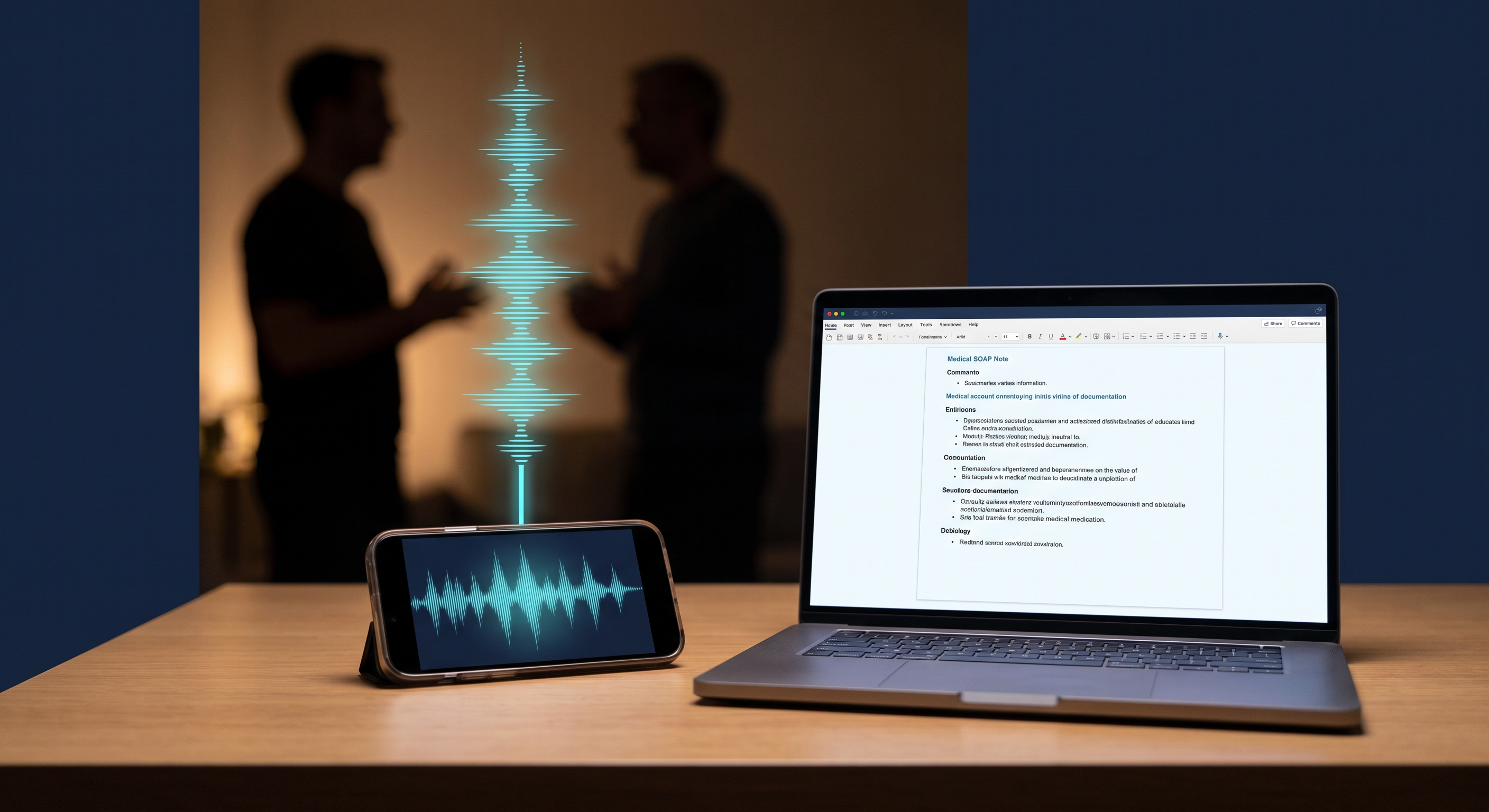
Build an Ambient Documentation Lab Before You Buy One
You can learn the entire ambient documentation pipeline with a phone, a fictional patient, and a general-purpose AI assistant, before spending a dollar on a clinical platform.
Teach the Tech, Not the Vendor
Ambient documentation vendors will change, merge, and disappear. A ten-point evaluation framework that outlasts any single product.

Maternal-Fetal Medicine Specialist