The Ambient Scribe Is Disappearing
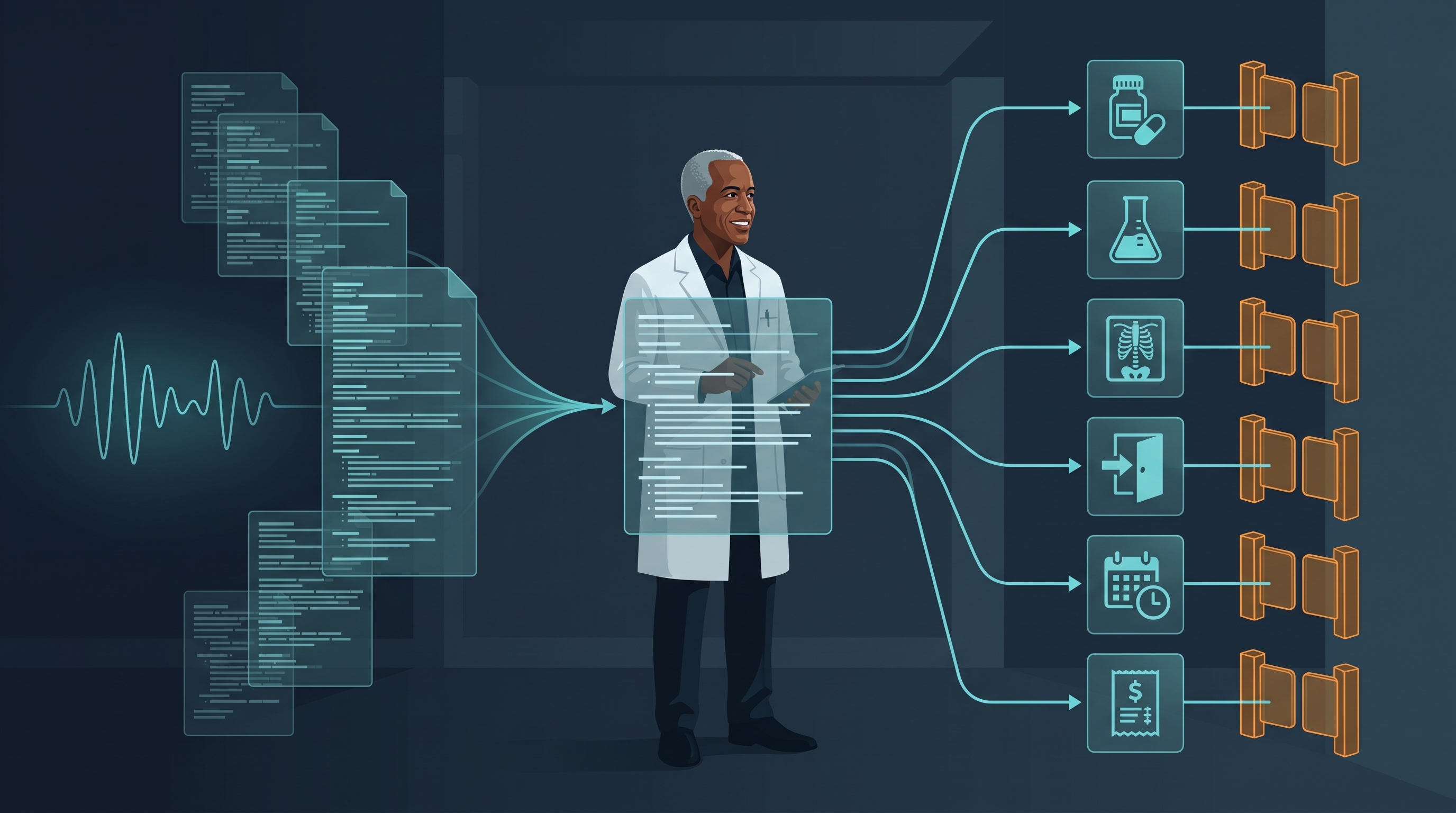
Ambient clinical AI is moving beyond note generation into an encounter layer that prepares orders, prescriptions, coding, and follow-up while keeping consequential decisions visible to the physician.
Clinical teams do not move slowly because clinicians are slow. They move slowly because pages, meetings, and verbal handoffs force physicians to keep re-explaining decisions that software should carry forward.
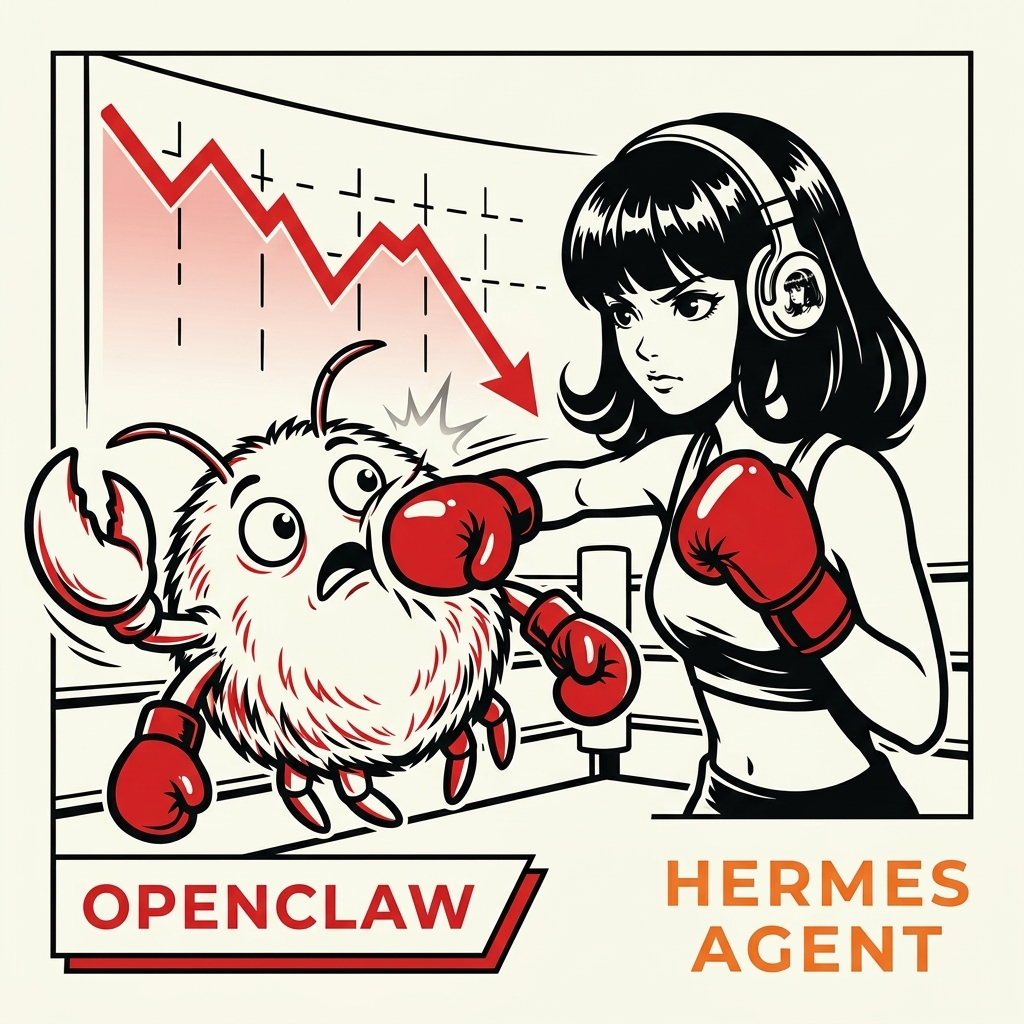
Three weeks into running Hermes Agent in production, I can say this: the real value is not the model. It is the workflow ecosystem wrapped around it. Here is what 94 specialized skills looks like in a real physician-developer stack.
A seven-day self-audit for physicians using an approved ambient documentation system, built around three questions that matter more than words per minute.
You can learn the entire ambient documentation pipeline with a phone, a fictional patient, and a general-purpose AI assistant, before spending a dollar on a clinical platform.
Most physicians stop optimizing an ambient documentation system the moment it produces a usable note. That is the moment the real work should start.
Ambient documentation vendors will change, merge, and disappear. A ten-point evaluation framework that outlasts any single product.
Speech recognition misses words. Language models infer things that were never said. A disciplined review habit is what separates ambient AI from a liability.
When documentation time is scarce, physicians steer patients toward answers that are easy to type. Ambient AI removes the excuse for doing that.
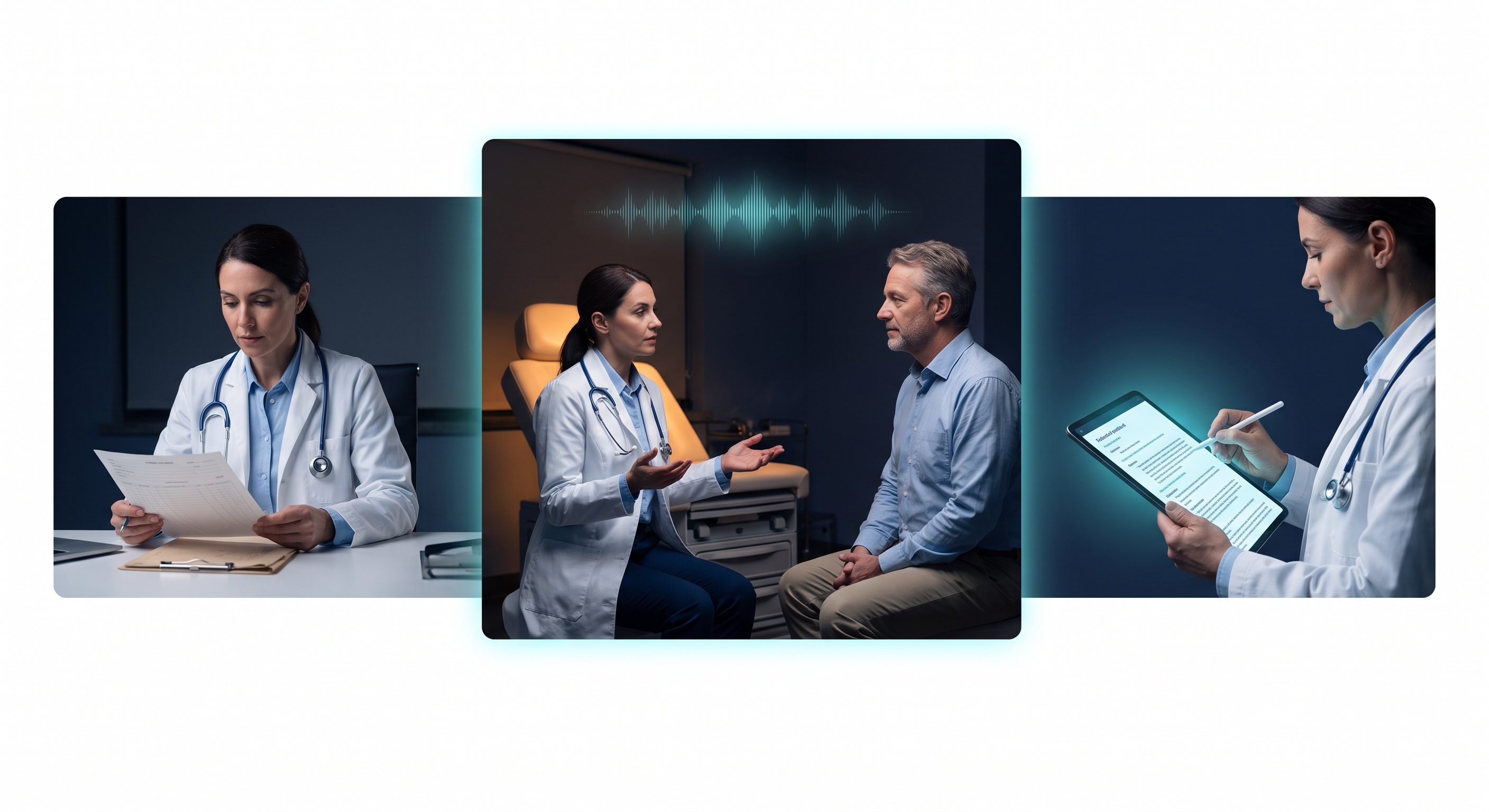
Pre-encounter, encounter, and post-encounter are not just note sections. They are the three places an ambient workflow can quietly go wrong.
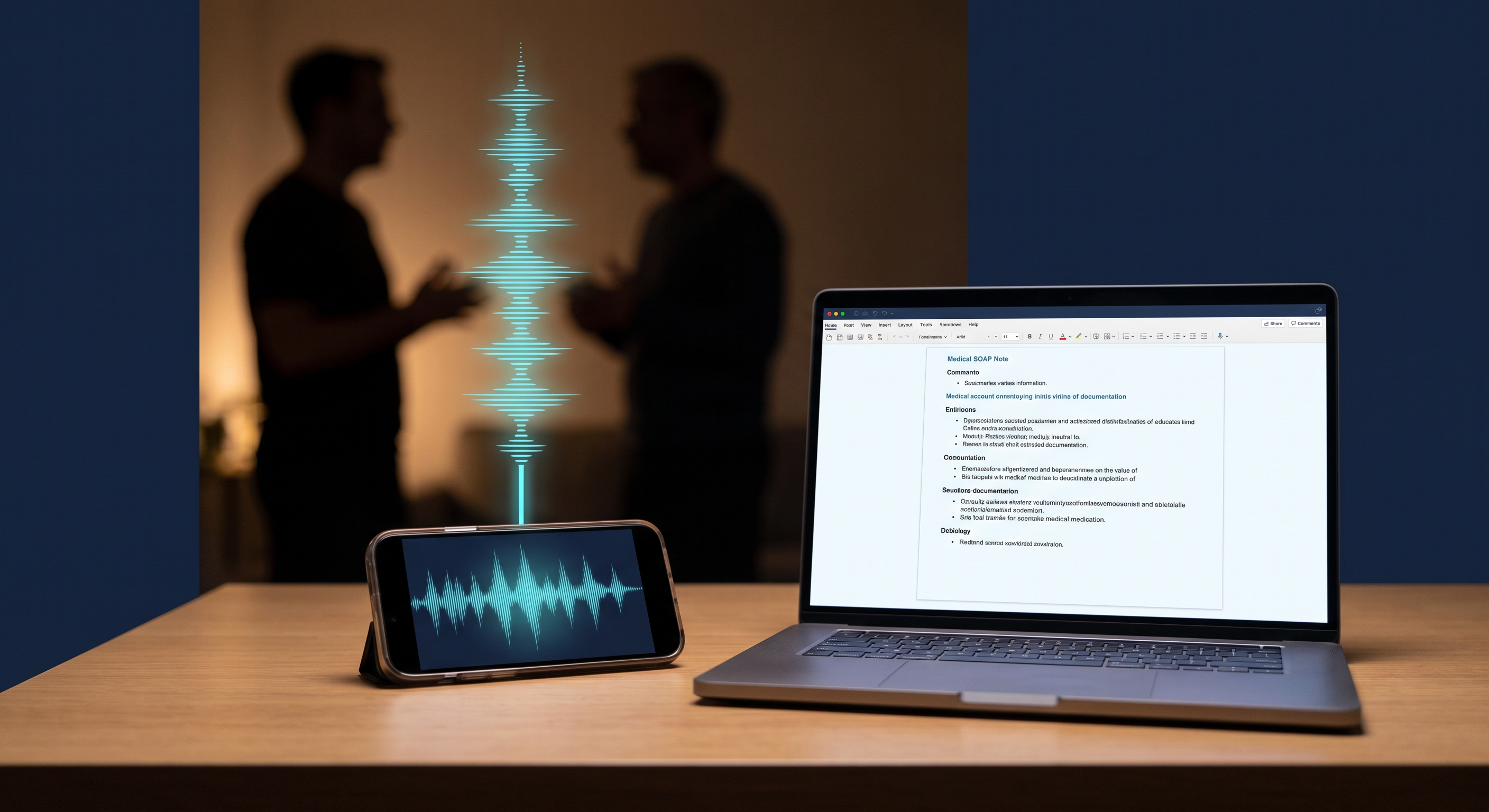
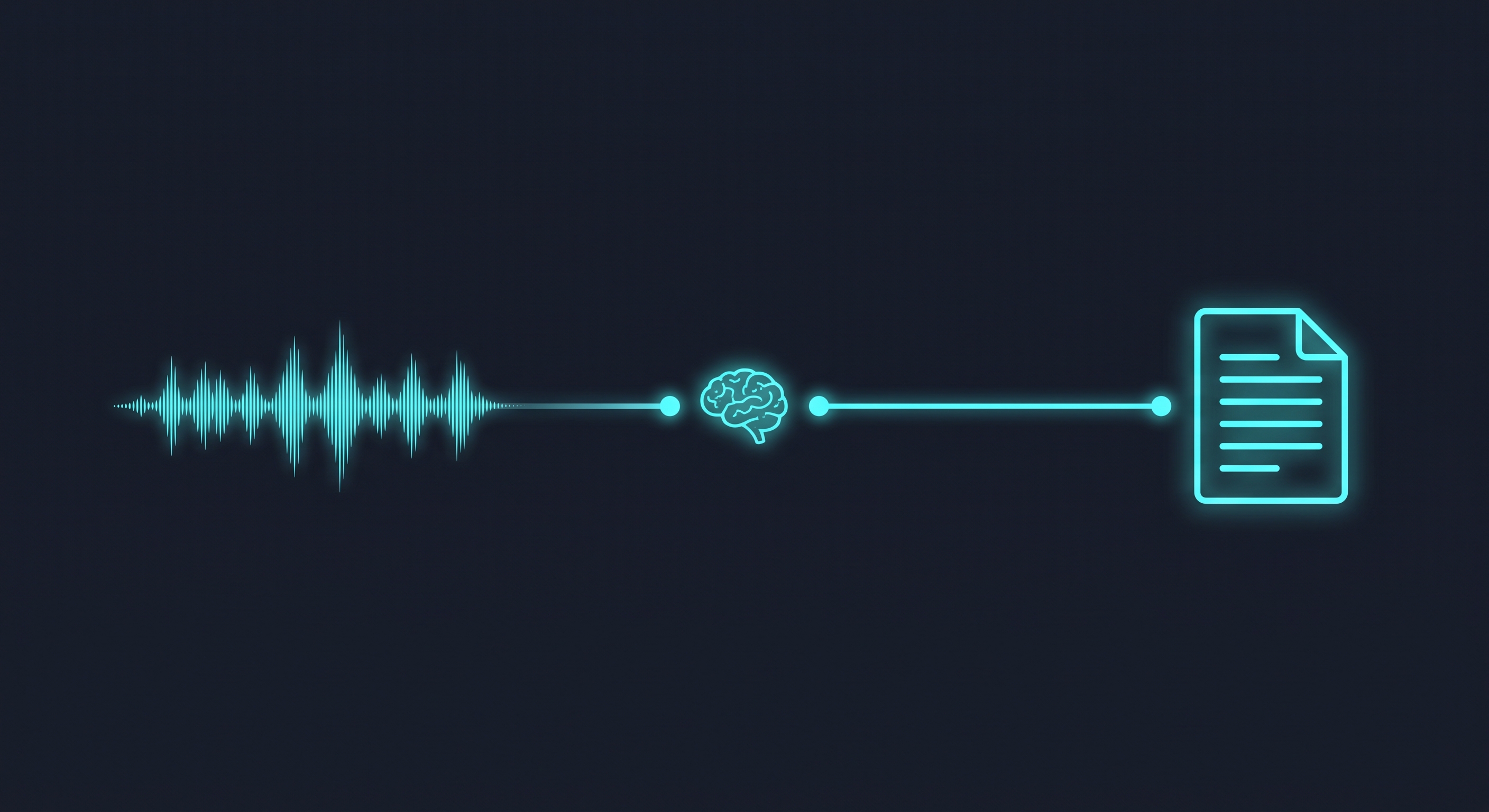
A transcript and a clinical note are not the same object. Understanding the pipeline between them is the difference between using ambient AI and trusting it blindly.
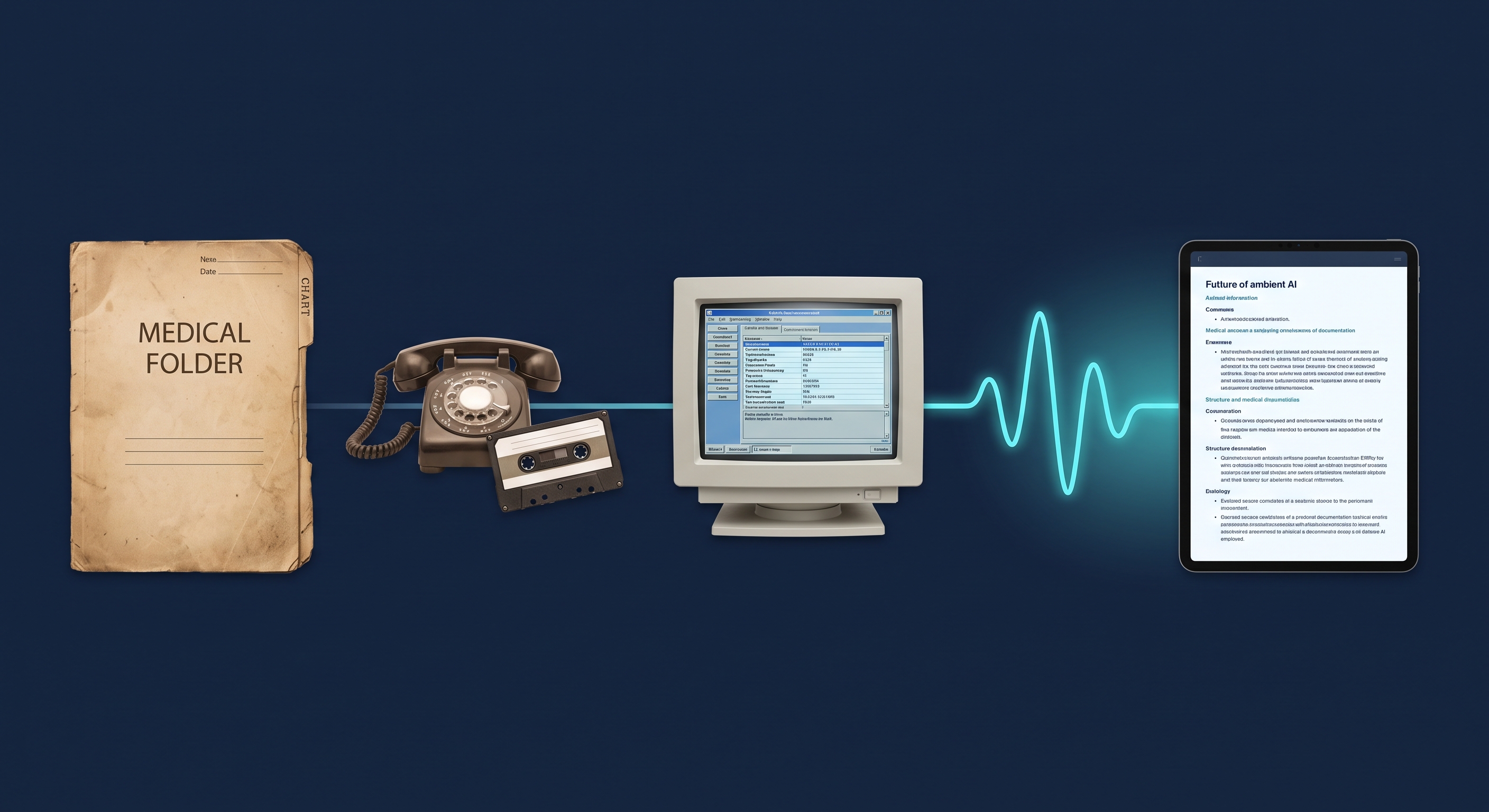
From paper charts at Harlem Hospital in 1992 to ambient AI in 2026, the tools changed four times. The physician's responsibility toward the record did not.
Ambient clinical AI is usually sold as a time-saver. The real change it offers is different: it can give the physician's attention back to the patient.
By Dr. Chukwuma Onyeije, MFM Specialist & Founder of CodeCraftMD
> Keywords: AI clinical documentation, ambient transcription, EvidenceMD, CodeCraftMD, physician automation, clinical workflow, medical billing automati...