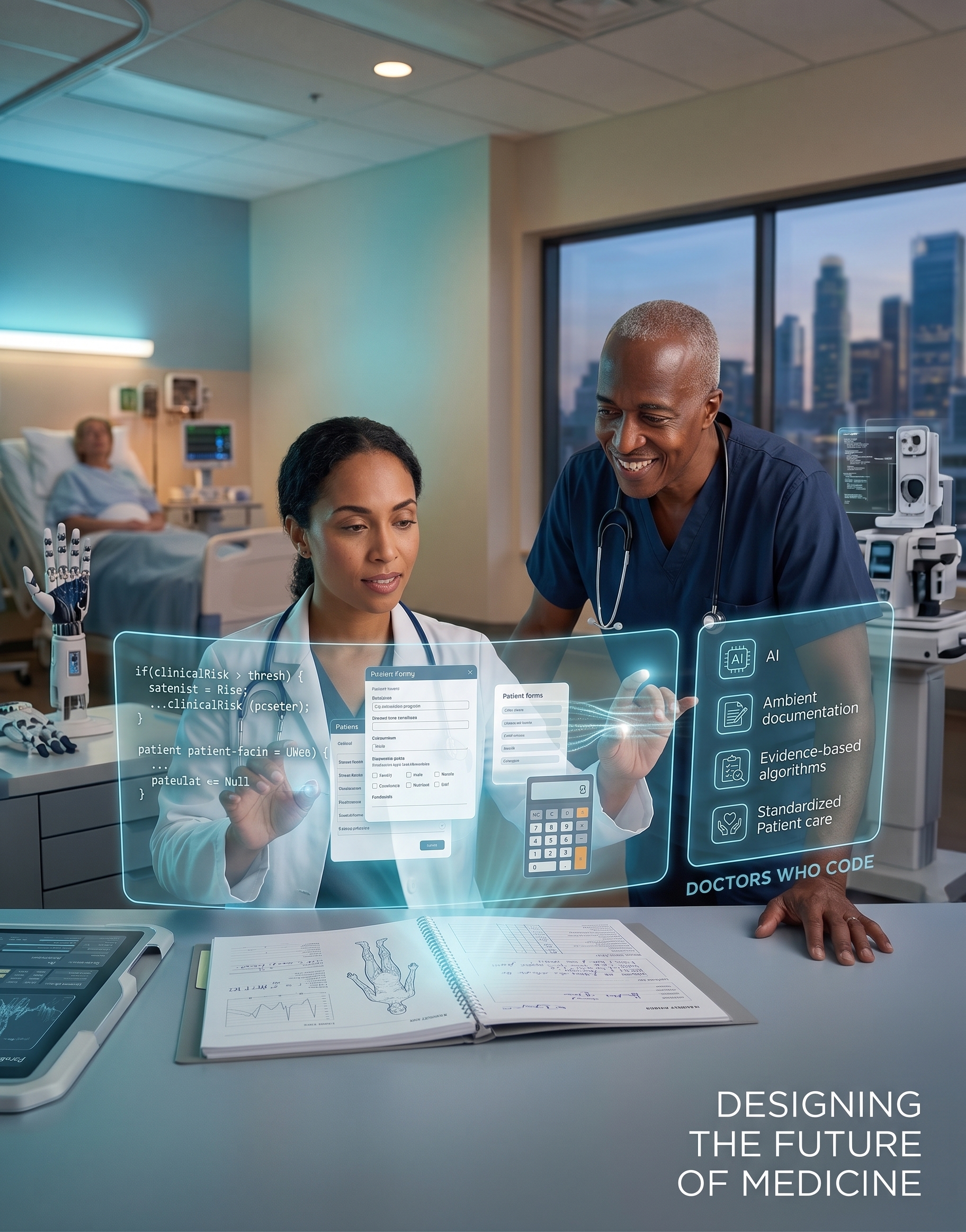
Why I Rebuilt Doctors Who Code
Doctors Who Code began as a blog encouraging physicians to learn programming. It is now a learning platform for physicians who want to use AI with judgment and build clinical tools that improve care.
· 13 min read
Tag
26 posts
Doctors Who Code began as a blog encouraging physicians to learn programming. It is now a learning platform for physicians who want to use AI with judgment and build clinical tools that improve care.
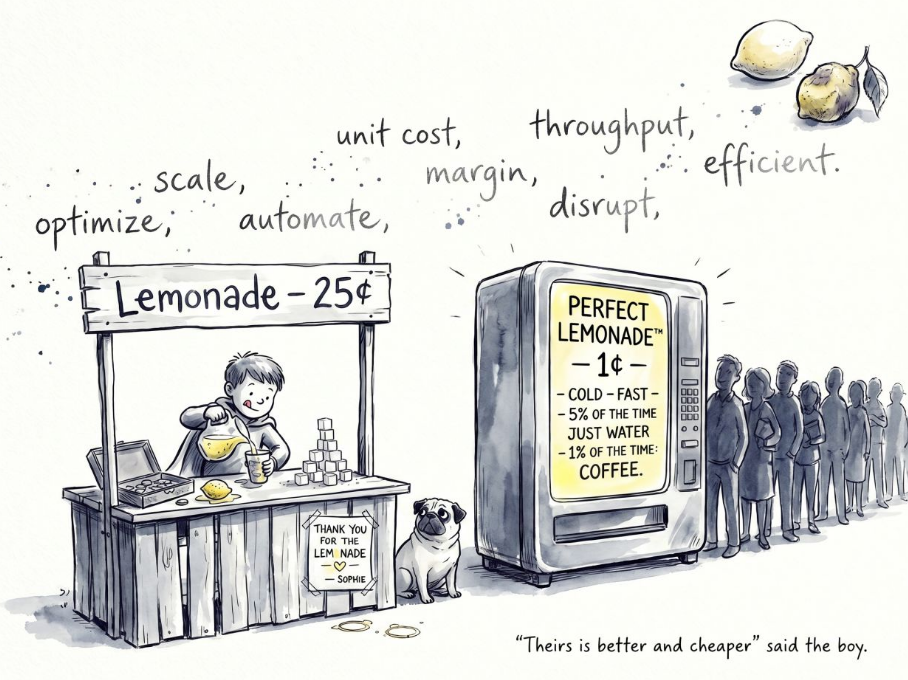
Automation in medicine should not be judged against an ideal clinician. It should be judged against real human variance, machine variance, supervision, and the cost of failure.
Three weeks into running Hermes Agent in production, I can say this: the real value is not the model. It is the workflow ecosystem wrapped around it. Here is what 94 specialized skills looks like in a real physician-developer stack.
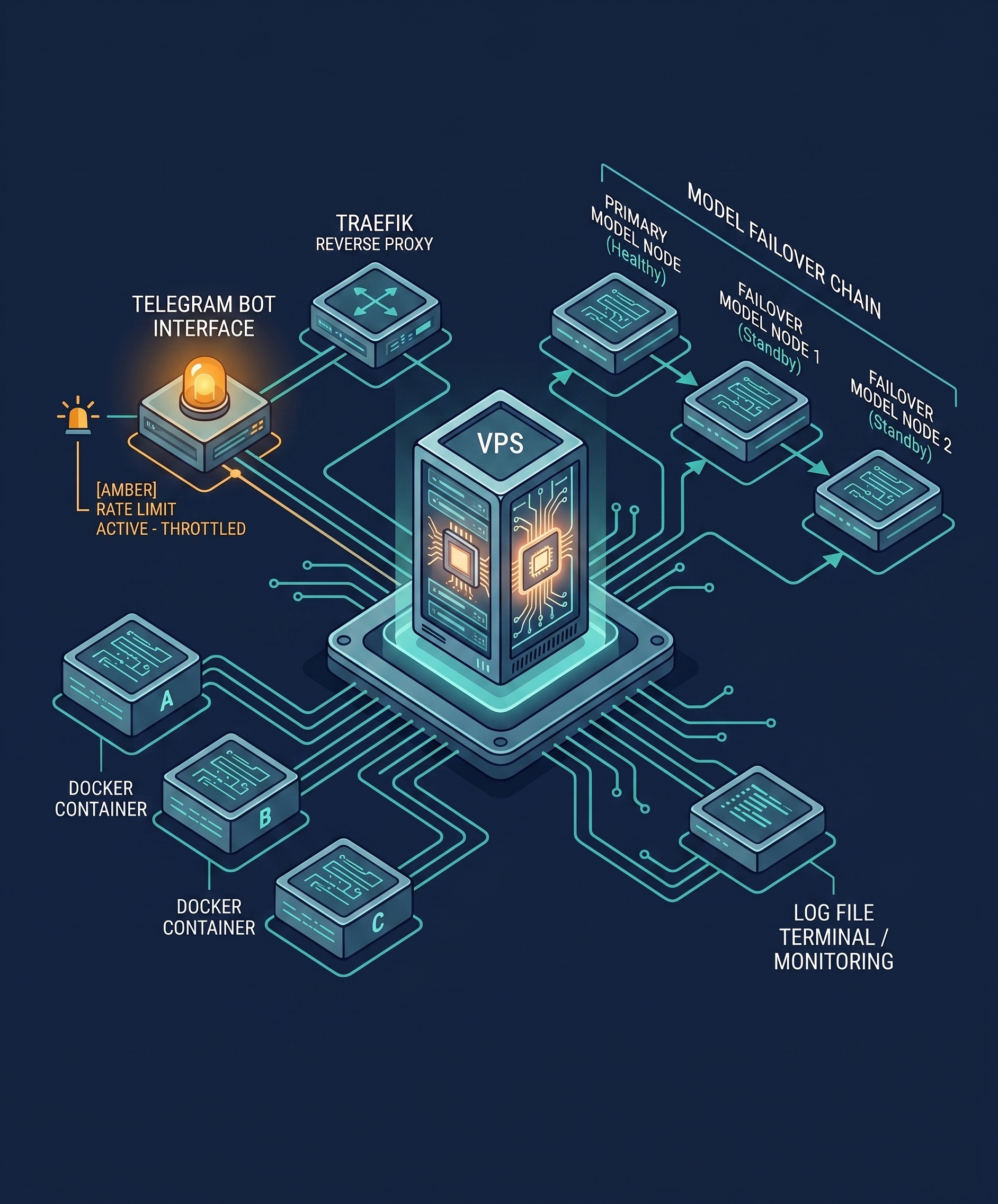
The model is not the product. The workflow is the product. Here is a technical look at the production stack behind a physician-built AI operations partner: Docker, Traefik, model failover, rate limits, logs, HIPAA boundaries, and the failure modes I watch for every week.

A seven-day self-audit for physicians using an approved ambient documentation system, built around three questions that matter more than words per minute.
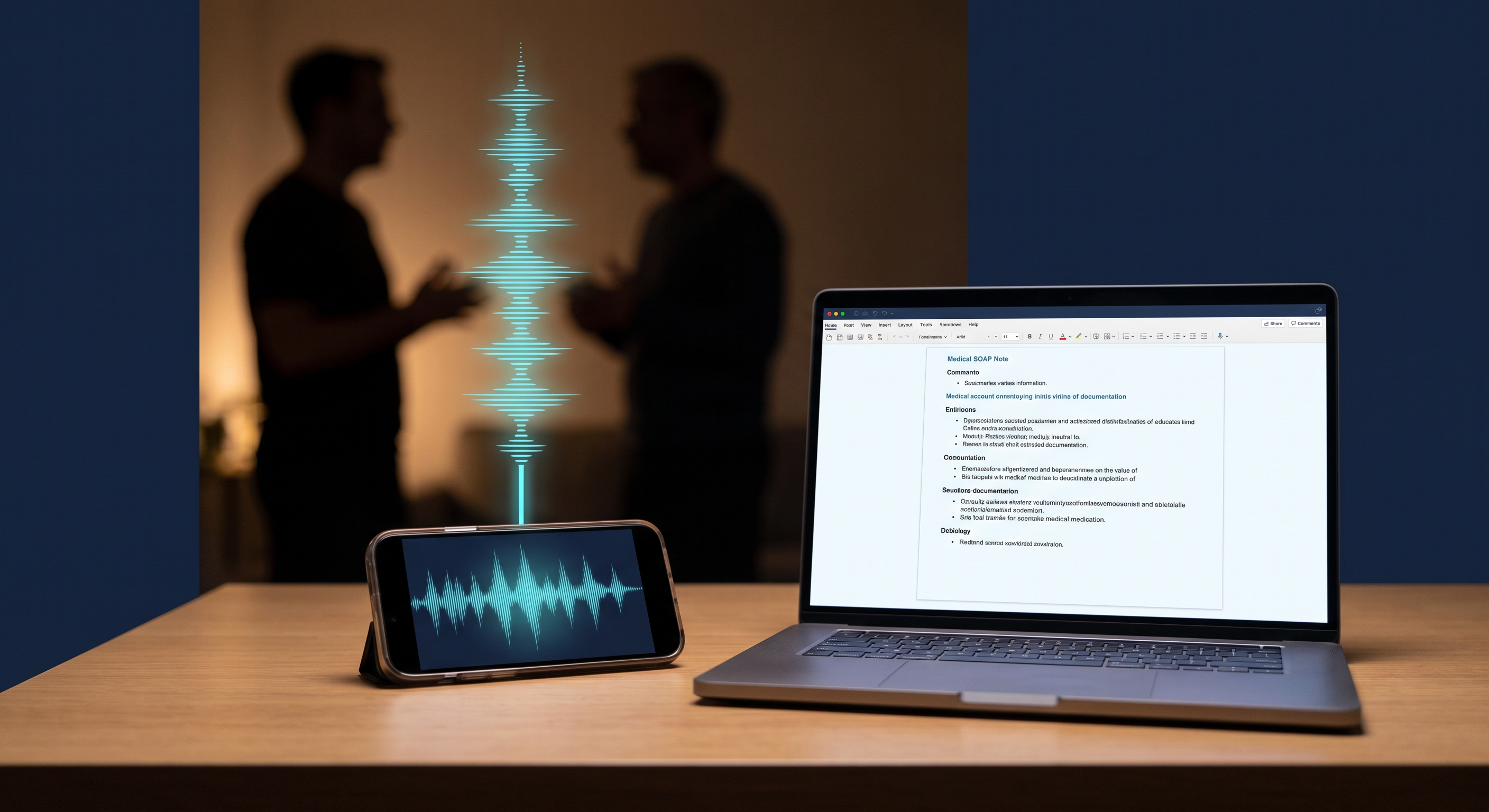
You can learn the entire ambient documentation pipeline with a phone, a fictional patient, and a general-purpose AI assistant, before spending a dollar on a clinical platform.
Most physicians stop optimizing an ambient documentation system the moment it produces a usable note. That is the moment the real work should start.

Ambient documentation vendors will change, merge, and disappear. A ten-point evaluation framework that outlasts any single product.
Speech recognition misses words. Language models infer things that were never said. A disciplined review habit is what separates ambient AI from a liability.
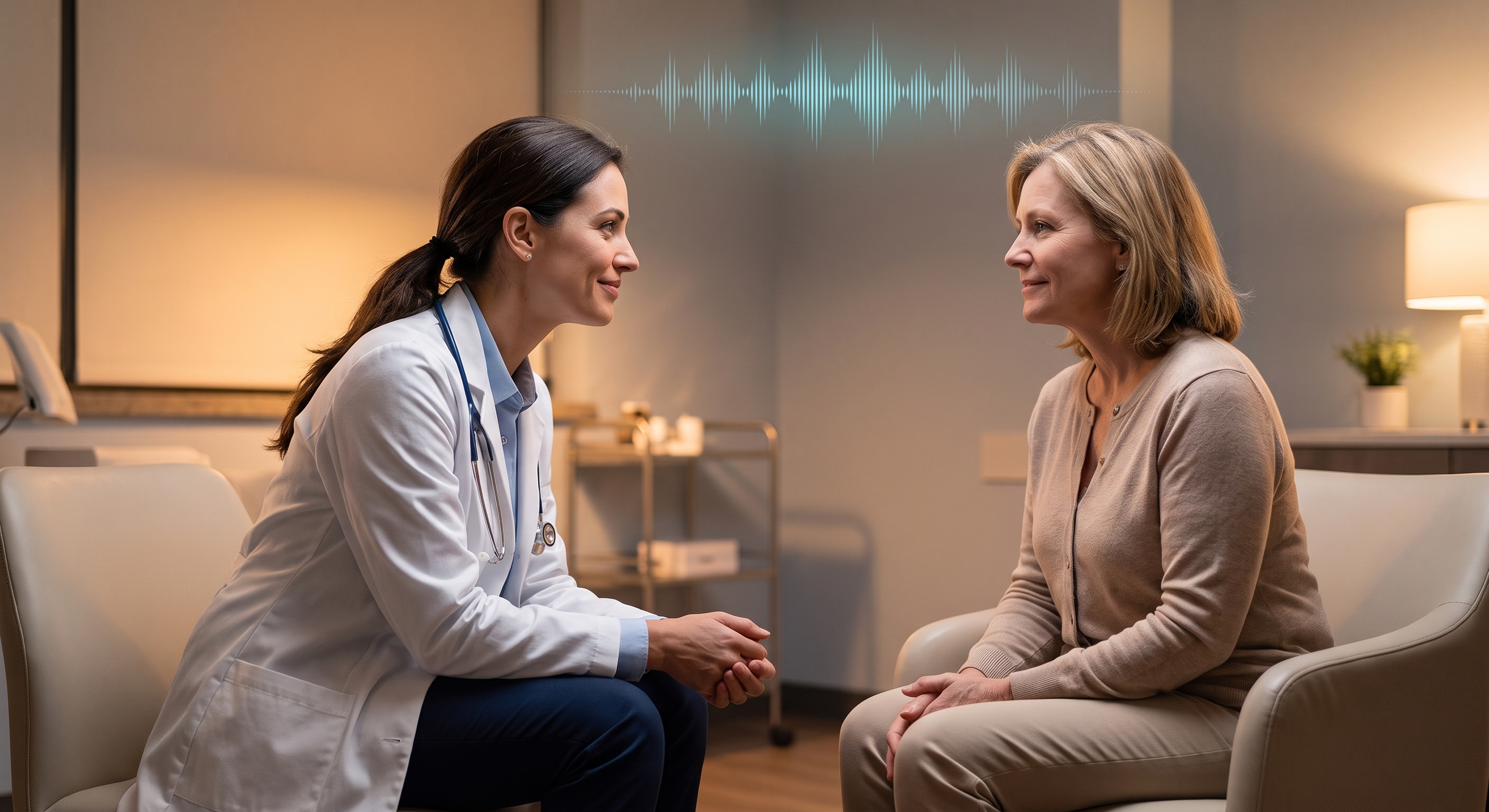
When documentation time is scarce, physicians steer patients toward answers that are easy to type. Ambient AI removes the excuse for doing that.
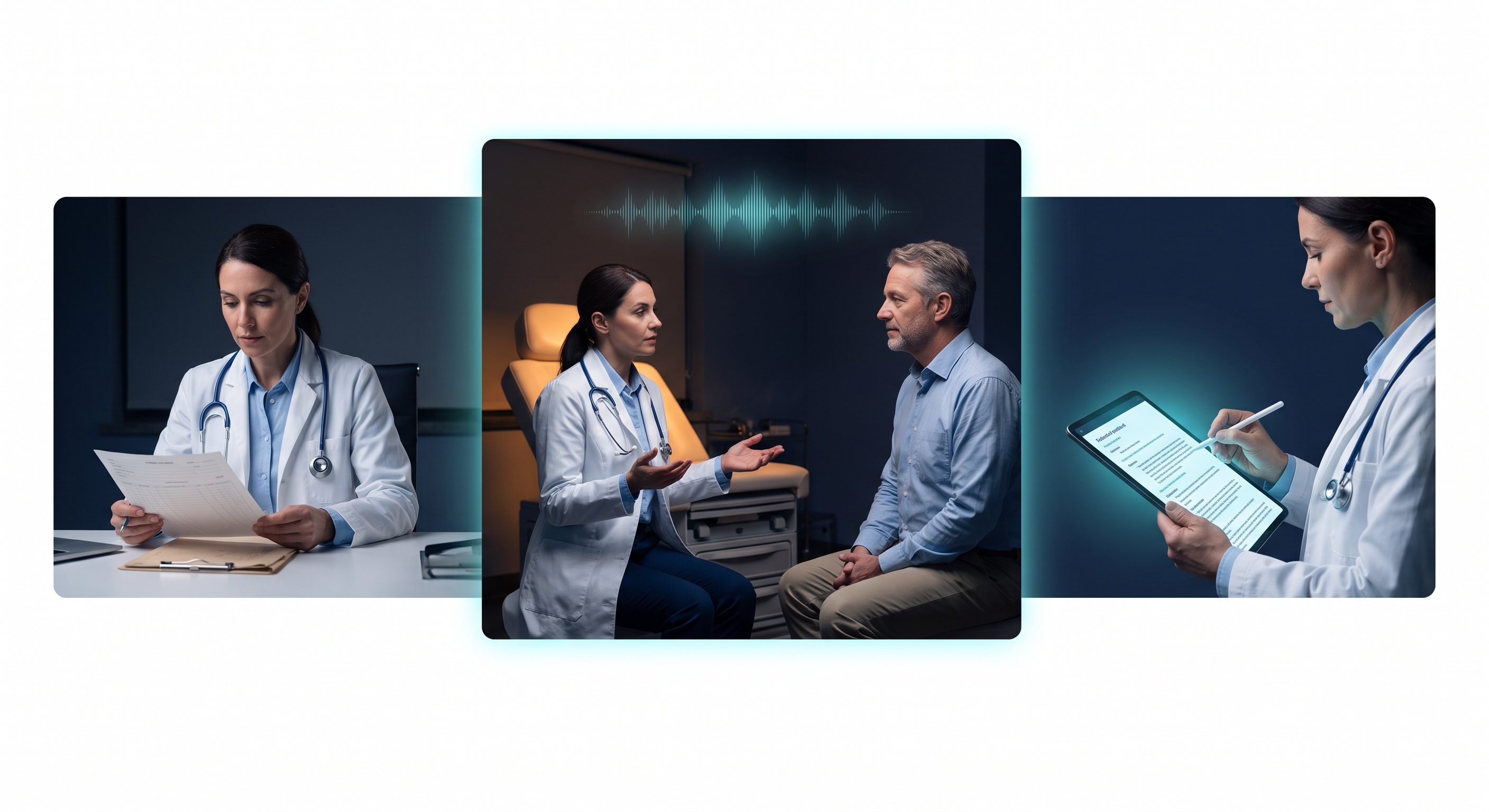
Pre-encounter, encounter, and post-encounter are not just note sections. They are the three places an ambient workflow can quietly go wrong.
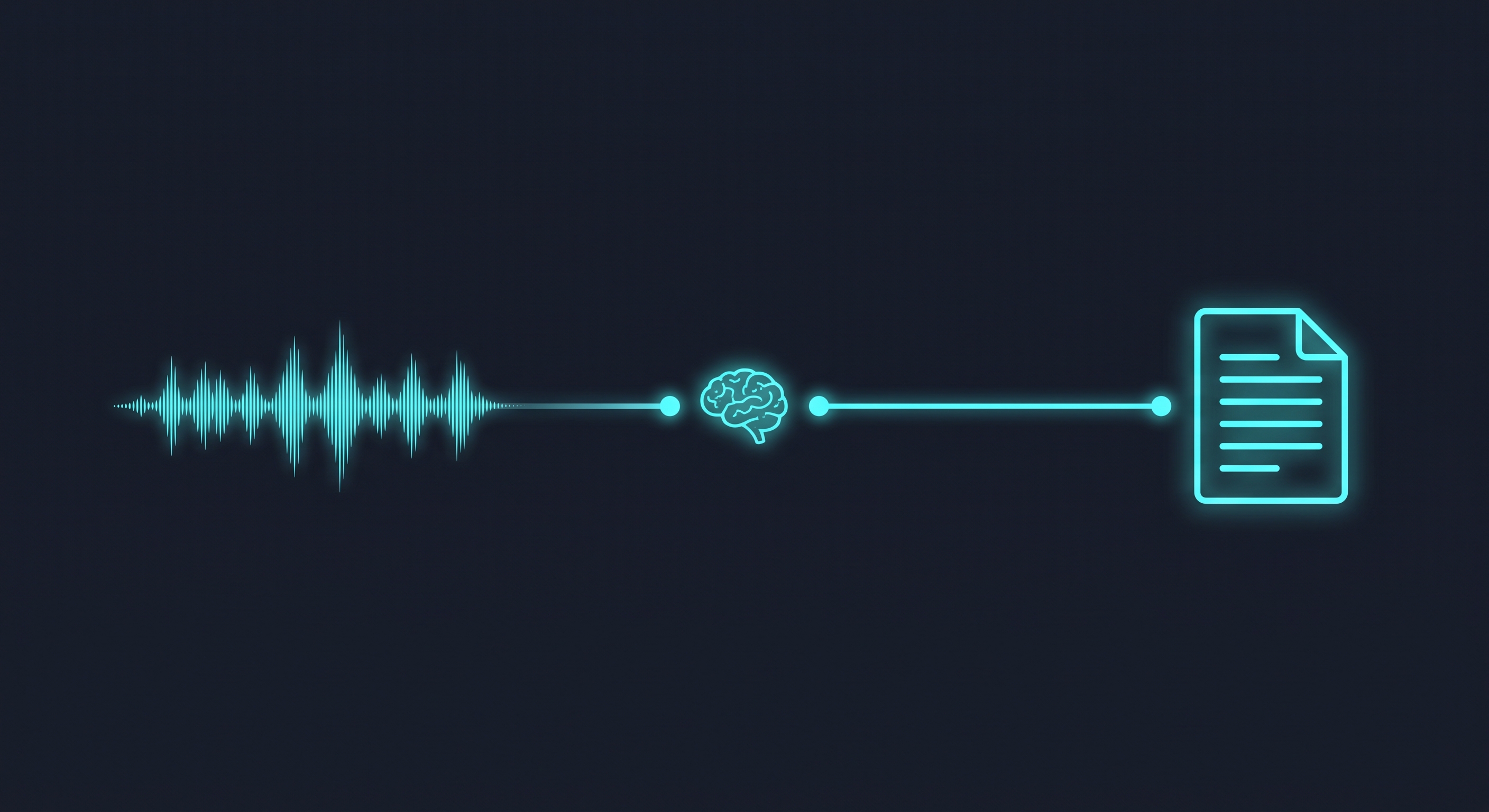
A transcript and a clinical note are not the same object. Understanding the pipeline between them is the difference between using ambient AI and trusting it blindly.
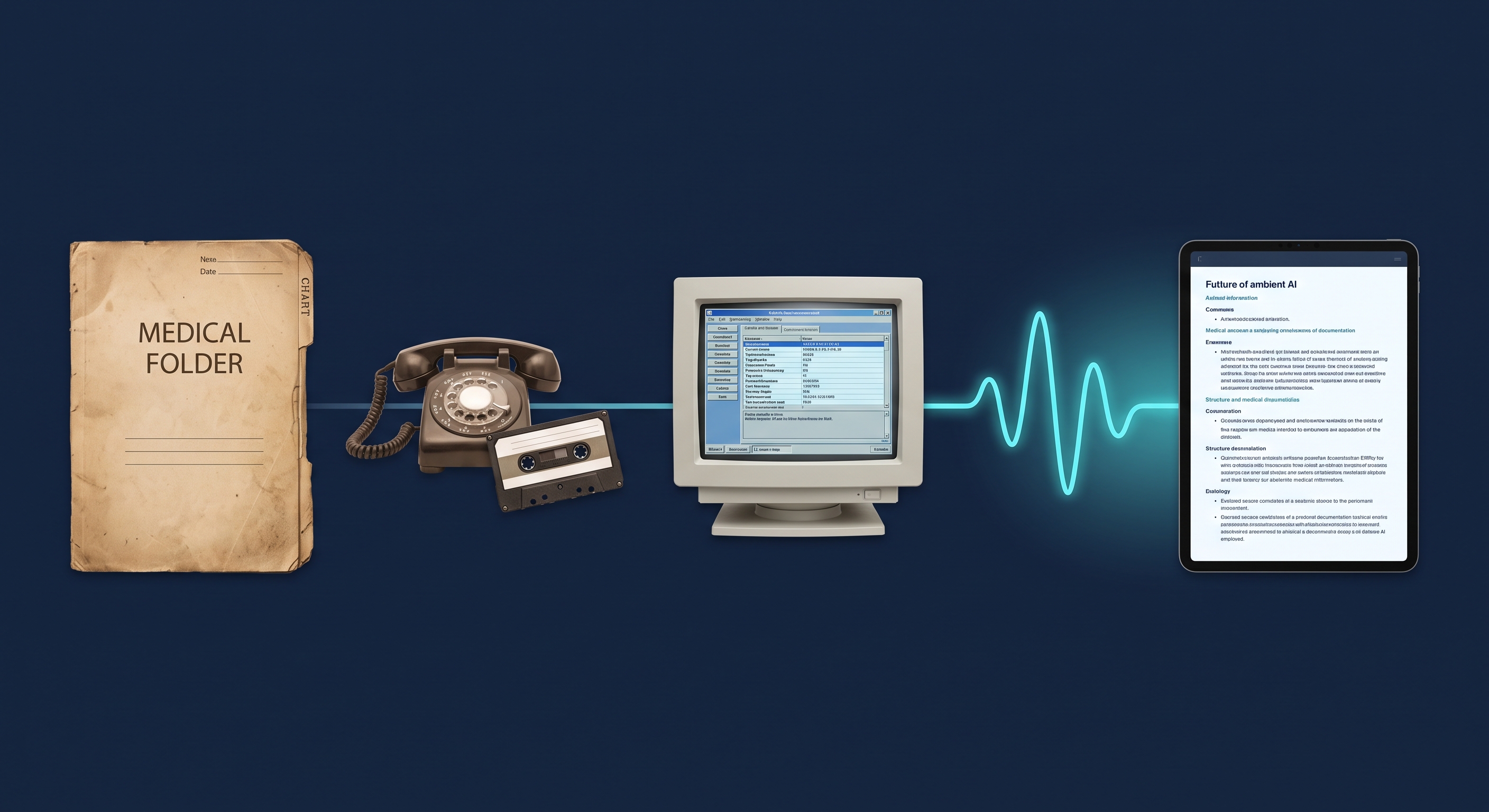
From paper charts at Harlem Hospital in 1992 to ambient AI in 2026, the tools changed four times. The physician's responsibility toward the record did not.
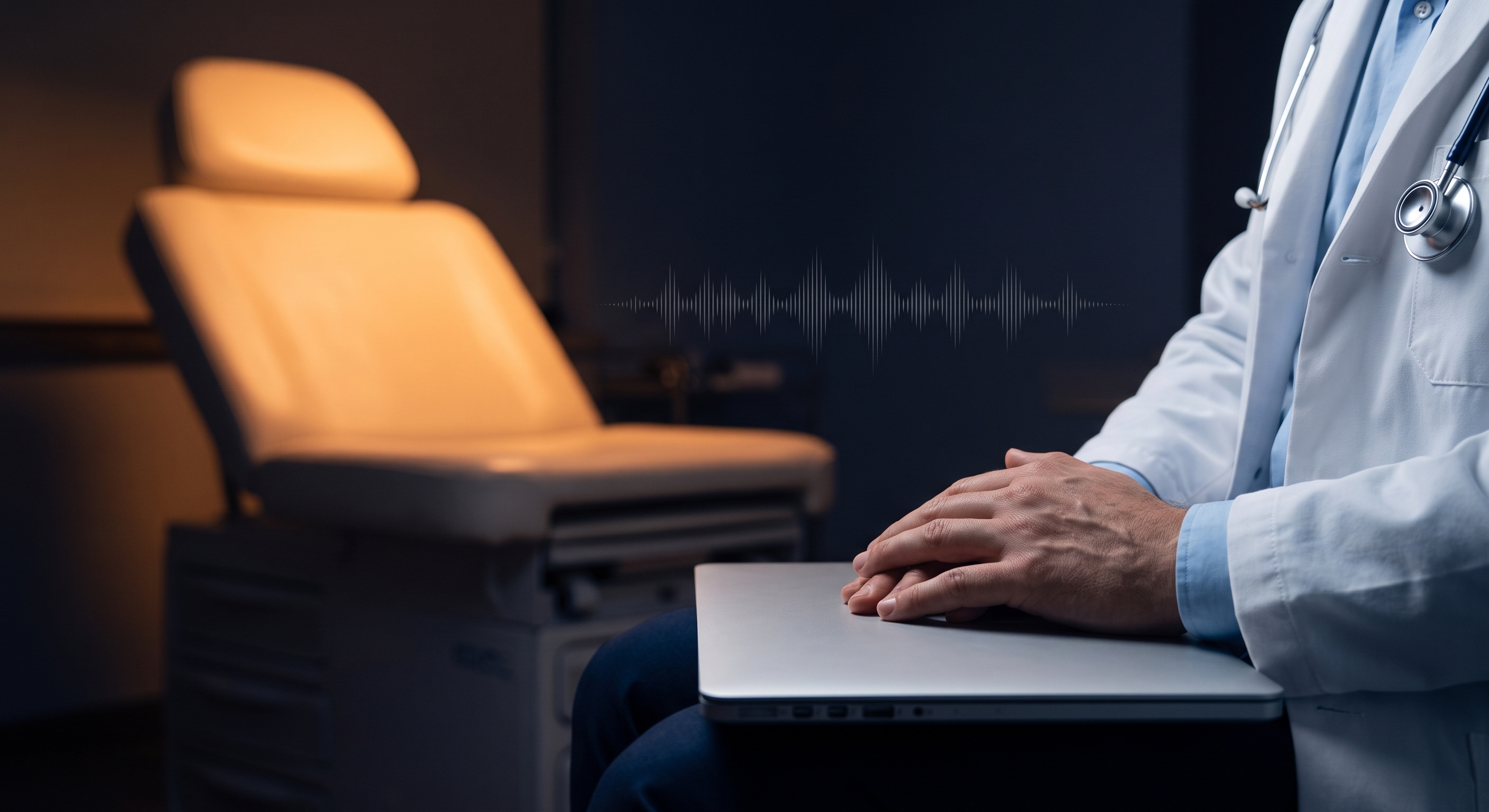
Ambient clinical AI is usually sold as a time-saver. The real change it offers is different: it can give the physician's attention back to the patient.
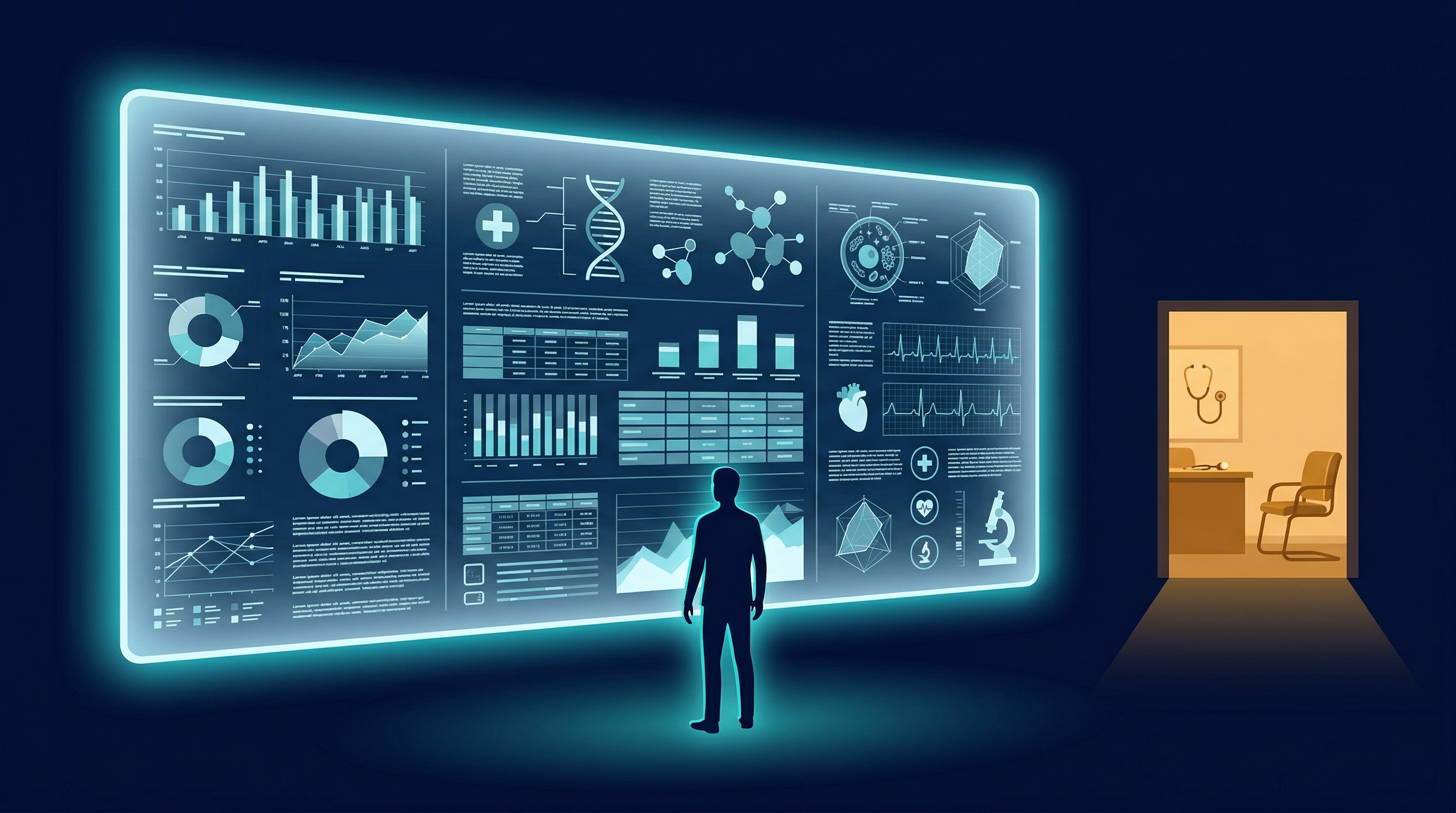
Joe Riley trusted AI over his oncologist and died of a treatable cancer. His tragedy wasn't naivety — it was earned distrust, amplified by a machine that had no way to know the difference.

Your clinical RAG system is not hallucinating because the model is bad. It is hallucinating because your document pipeline is broken. Here is what clinical PDF parsing actually requires, and why Docling is the fix.
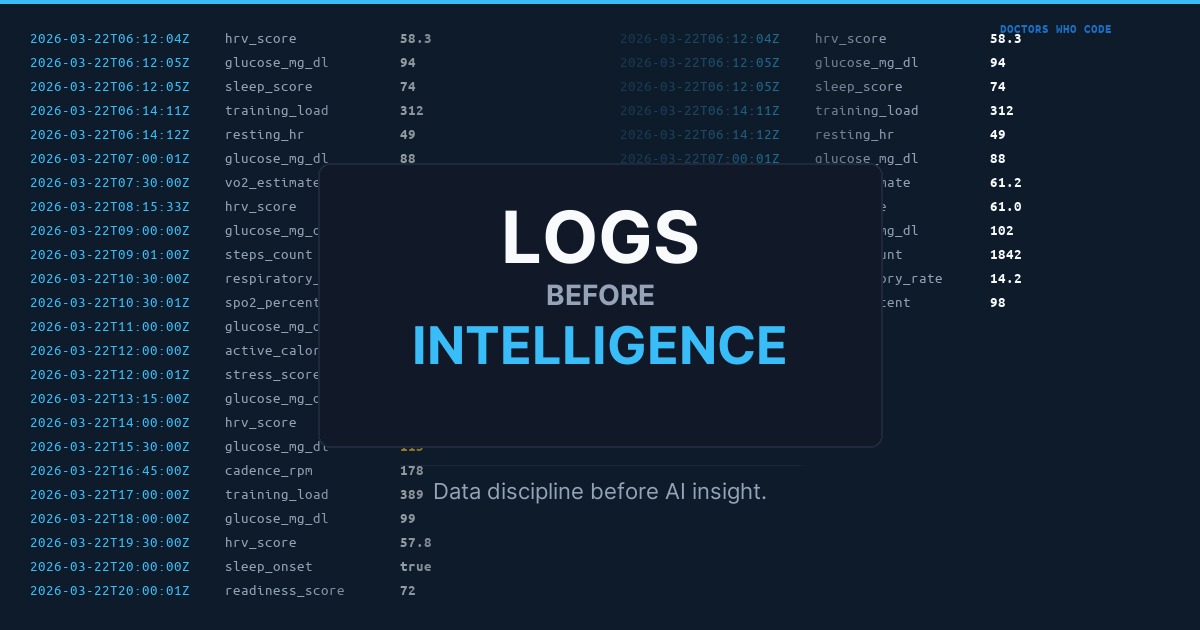
Before you build any AI feature, you must first build the log. The principle every physician-developer needs to internalize before writing a single line of intelligence code.
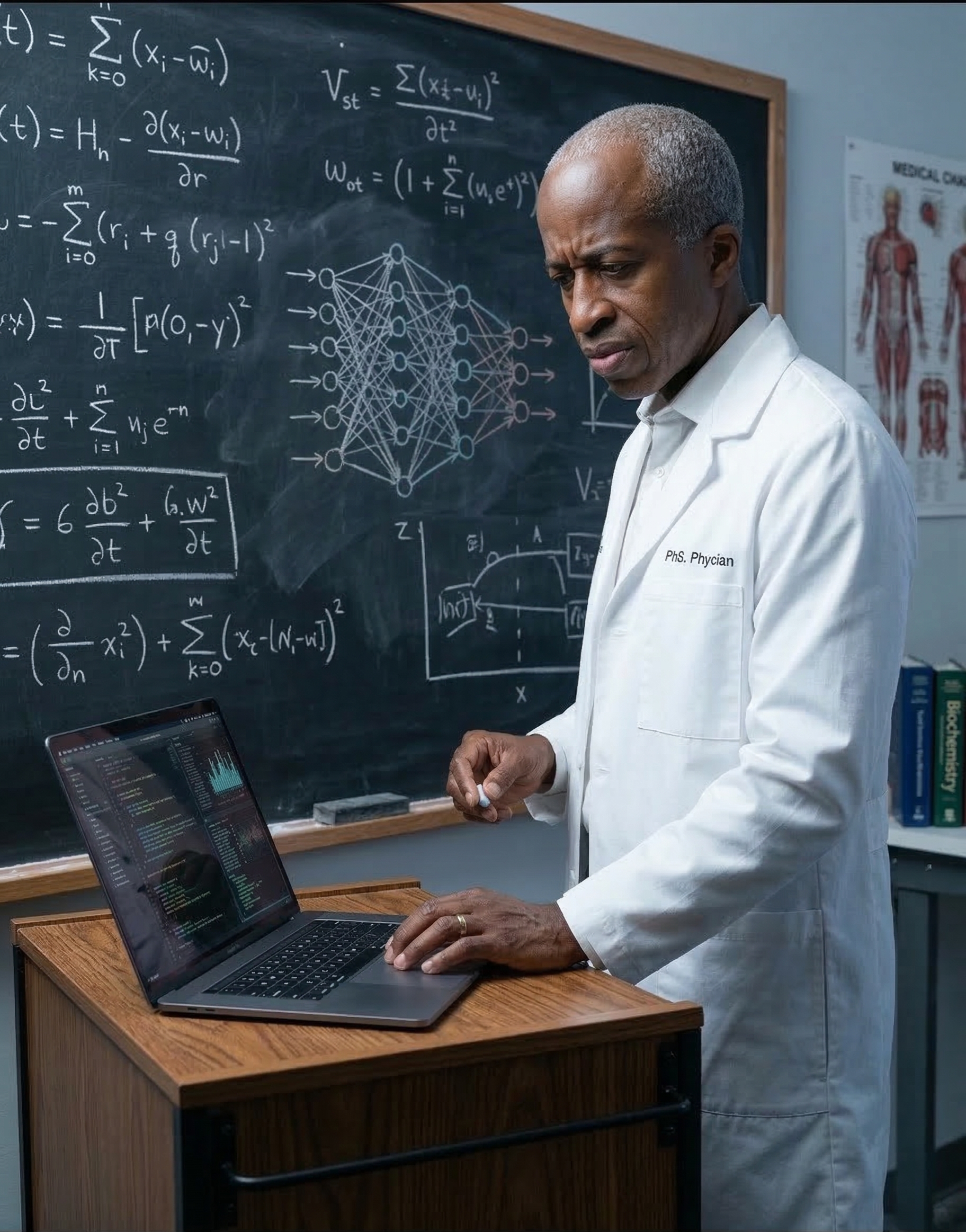
88% of physicians fear AI will erode their clinical instincts. That fear is real but misdirected. The greater risk is intellectual dependency on systems we didn't build and cannot interrogate.
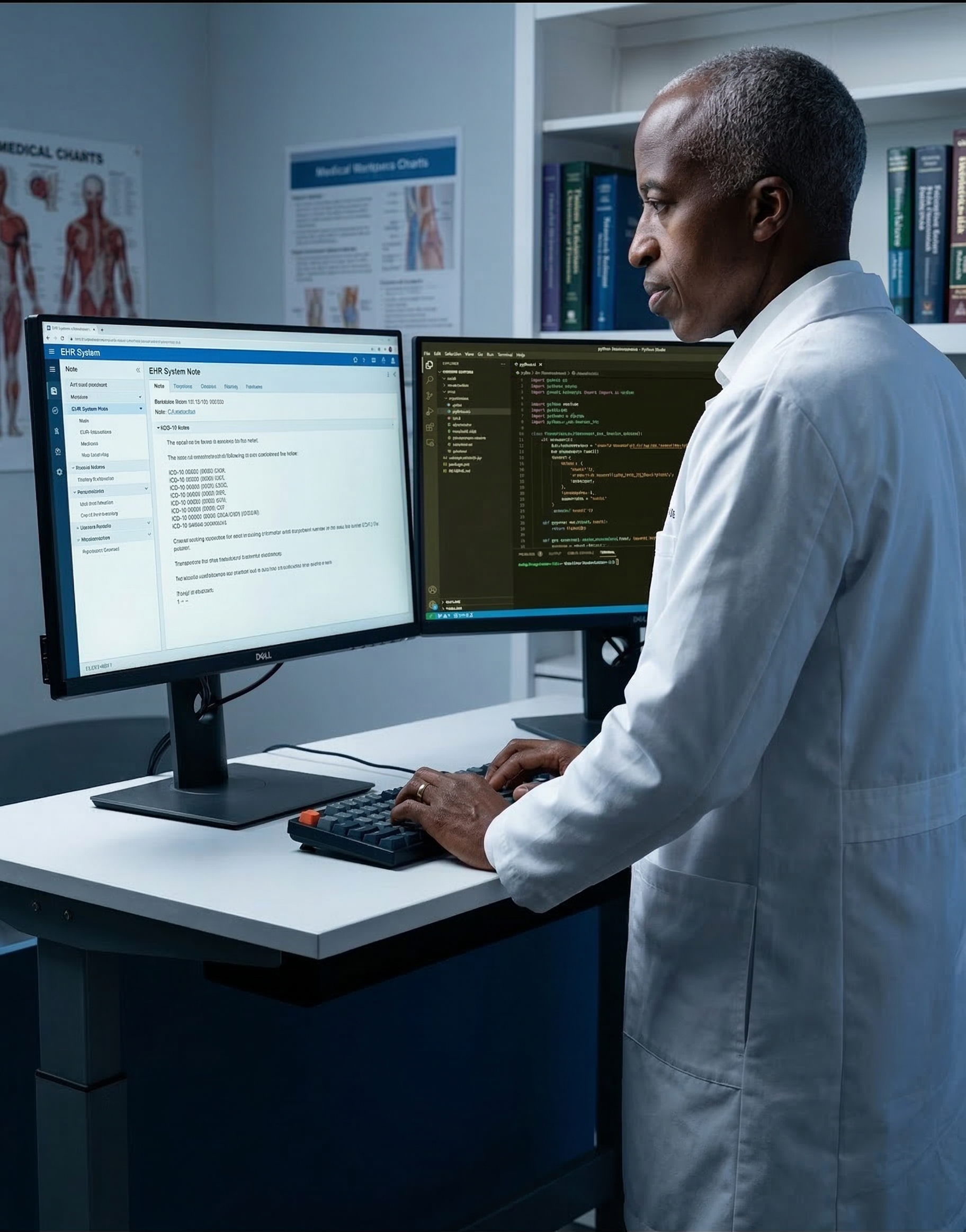
The AMA's 2026 survey shows 81% of physicians now use AI in practice. But read the fine print. Physicians want a seat at the table. The best way to earn that seat is to be the person who wrote the code.
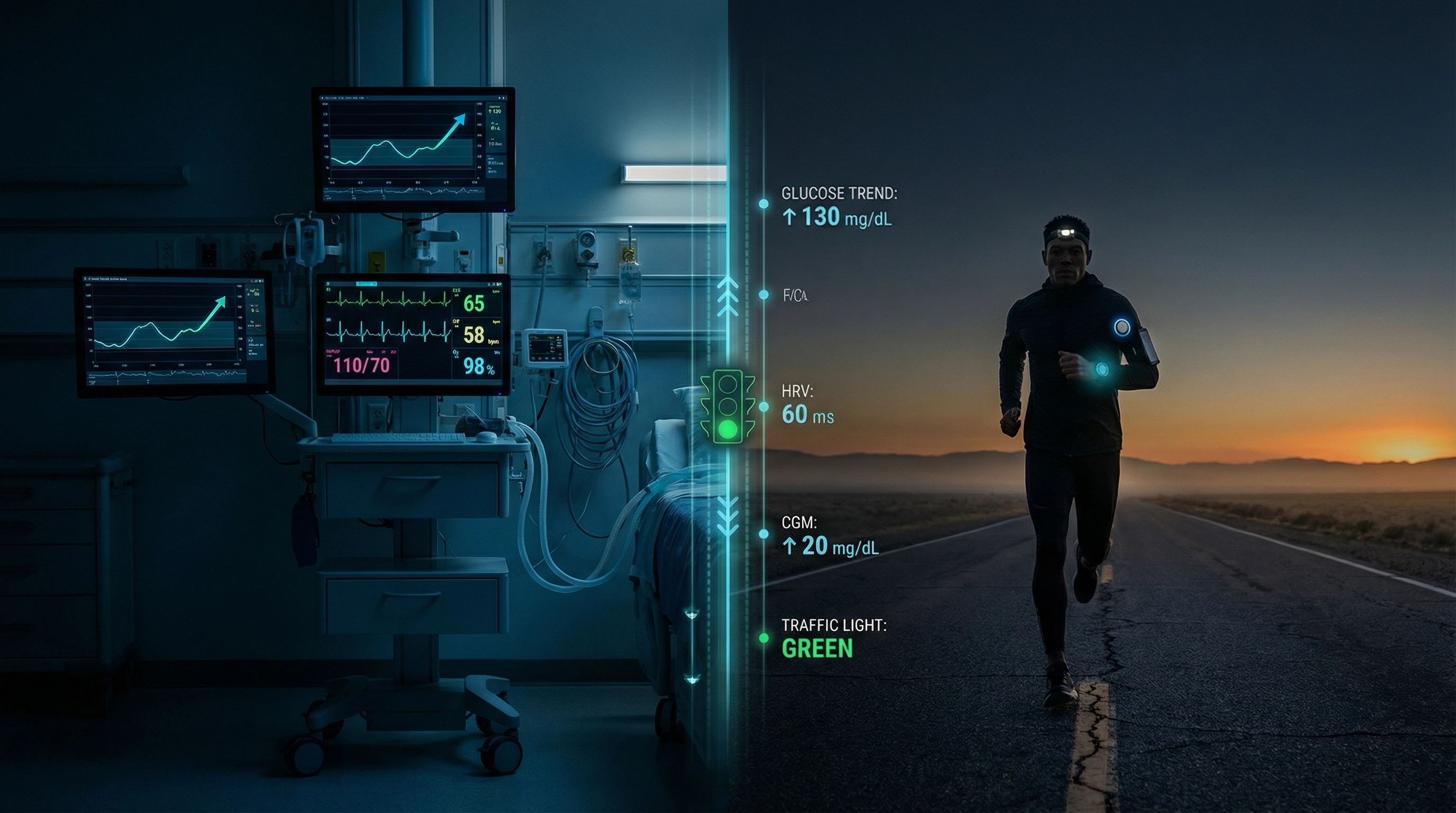
A physician-developer explores the powerful parallels between AI-driven glycemic control in the ICU and metabolic management for endurance athletes with Type 2 diabetes, introducing the Performance Glycemic Intelligence System (PGIS) as a real-world n-of-1 framework.
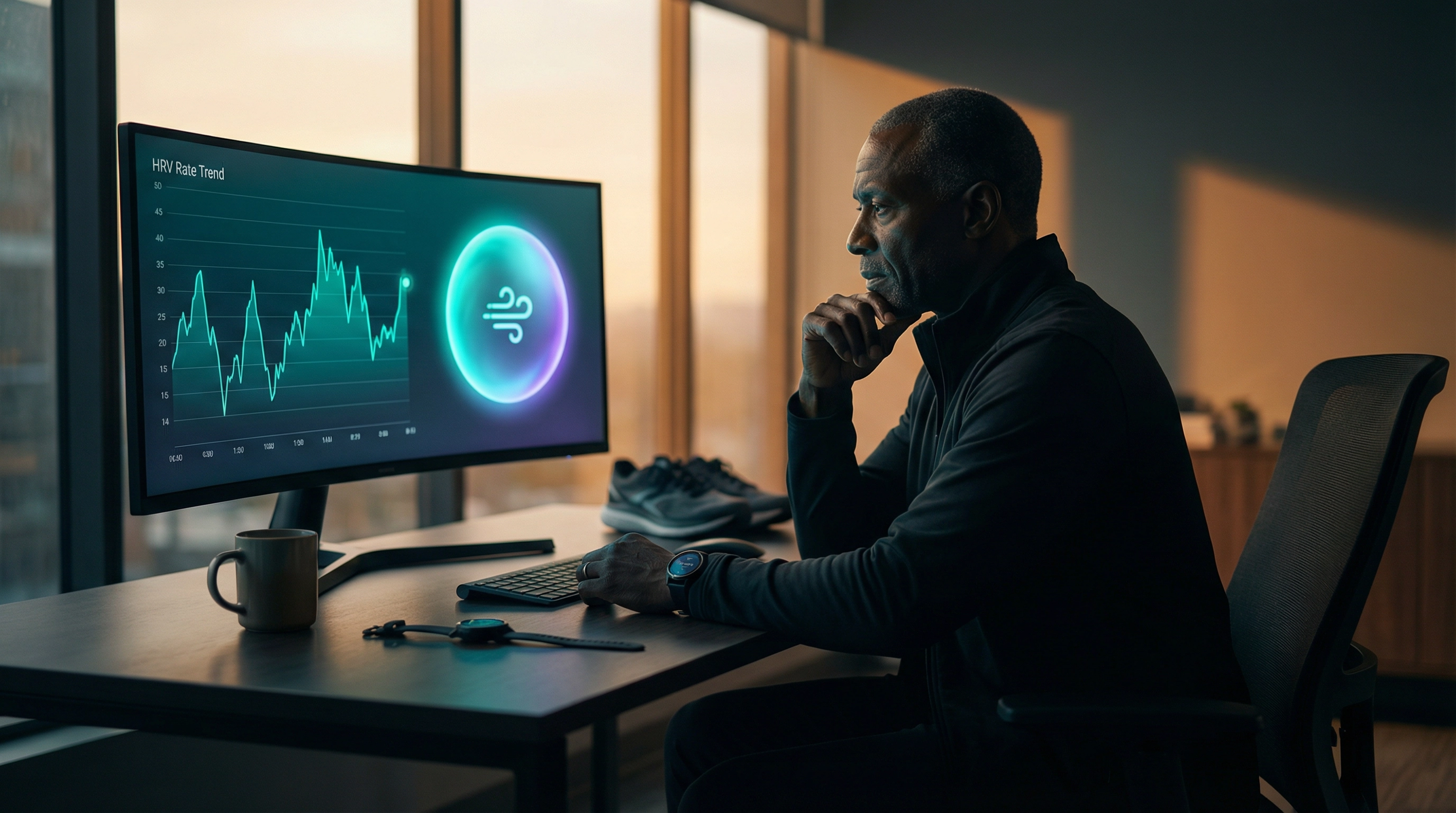
A Maternal-Fetal Medicine specialist describes how his personal AI health system identified low HRV, recommended breathing exercises, and prompted him to build a custom evidence-based breathing app in a single afternoon. A case study in disposable software, physician agency, and the future of personal health technology.
Maternal-Fetal Medicine Specialist & Founder, CodeCraftMD
Maternal-Fetal Medicine Specialist & Founder, CodeCraftMD
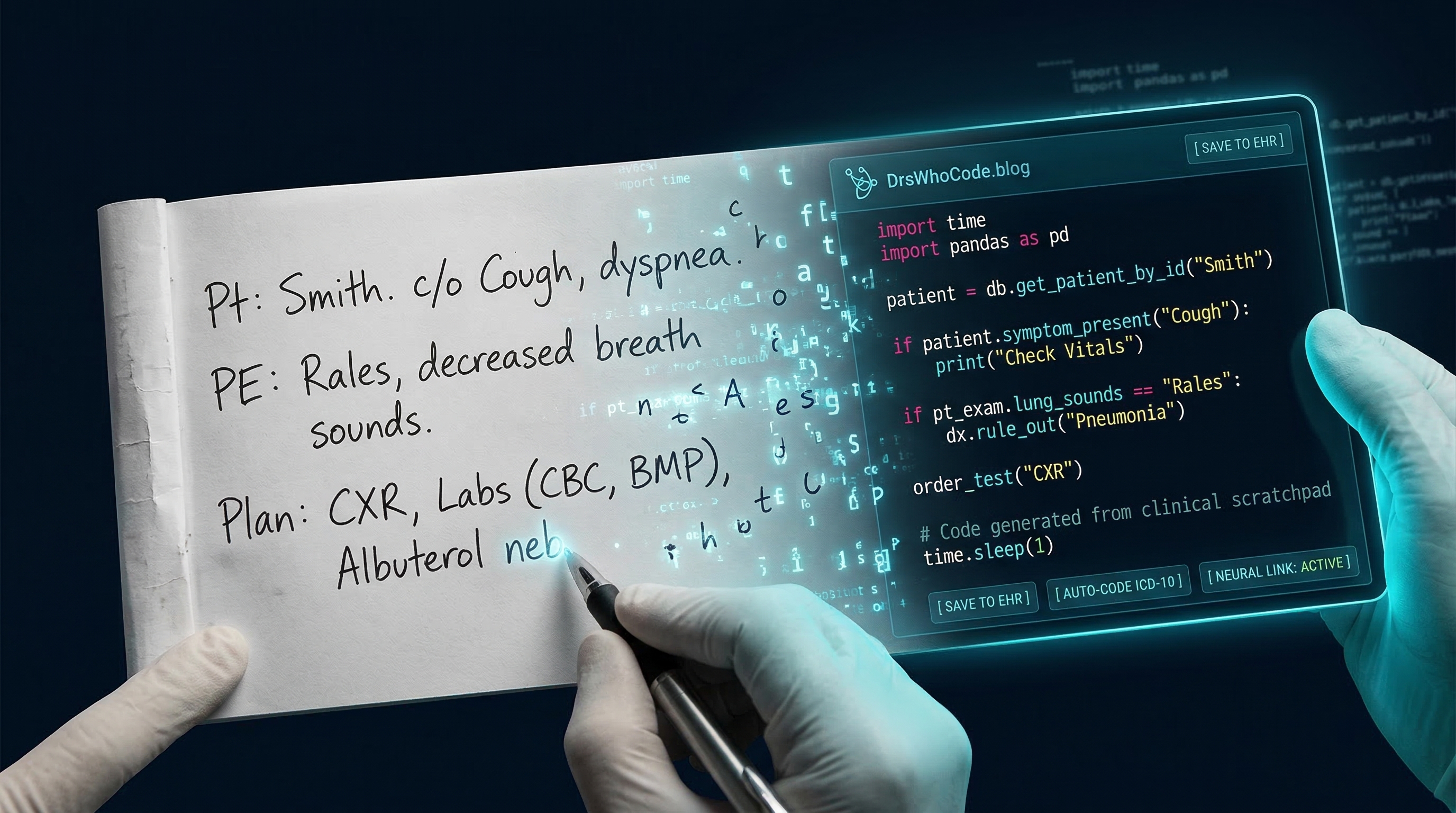
For the past two decades, medical software has been synonymous with monolithic platformsEpic, Cerner, and their ilkmassive systems designed to serve e...
When clinicians hear about artificial intelligence, we often jump straight to buzzwords like deep learning or neural networks. But behind every powe...
Meta Description: Learn how Python programming can revolutionize your medical practice. From patient data analysis to AI diagnostics, discover practical...